Liu Kang

Liu Kang
b. 1 April 1911, Yongchun, Fujian, China – d. 1 June 2004, Singapore
Education:
1926–1928 Xinhua Art Academy, Shanghai
1928–1933 Académie de la Grande Chaumière, Paris
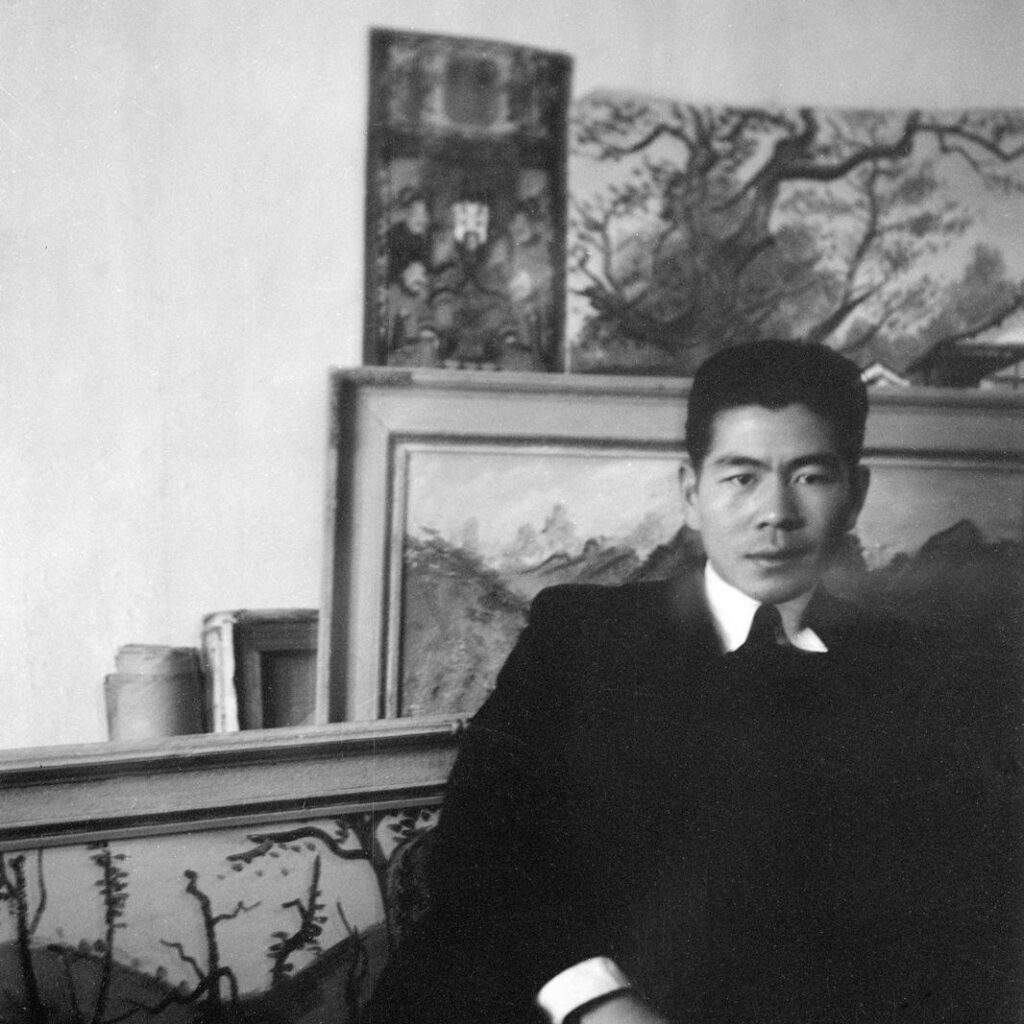
Liu Kang spent his early years in British Malaya and later studied art in Shanghai and Paris. A major figure in Singapore’s post-war art history, he influenced subsequent generations not only through his teaching and practice but also through his leadership in the Singapore Art Society and the Society of Chinese Artists. He was awarded the Public Service Star in 1970 and the Meritorious Service Medal in 1996.
Liu’s artistic output is extensive, covering figurative and landscape painting, genre scenes, still-life works, ink and calligraphy. In 2003, the Liu Kang family donated over 1000 artworks, including paintings, pastels and sketches, to the National Heritage Board (NHB), the largest ever gift from an individual artist. The works span over seven decades
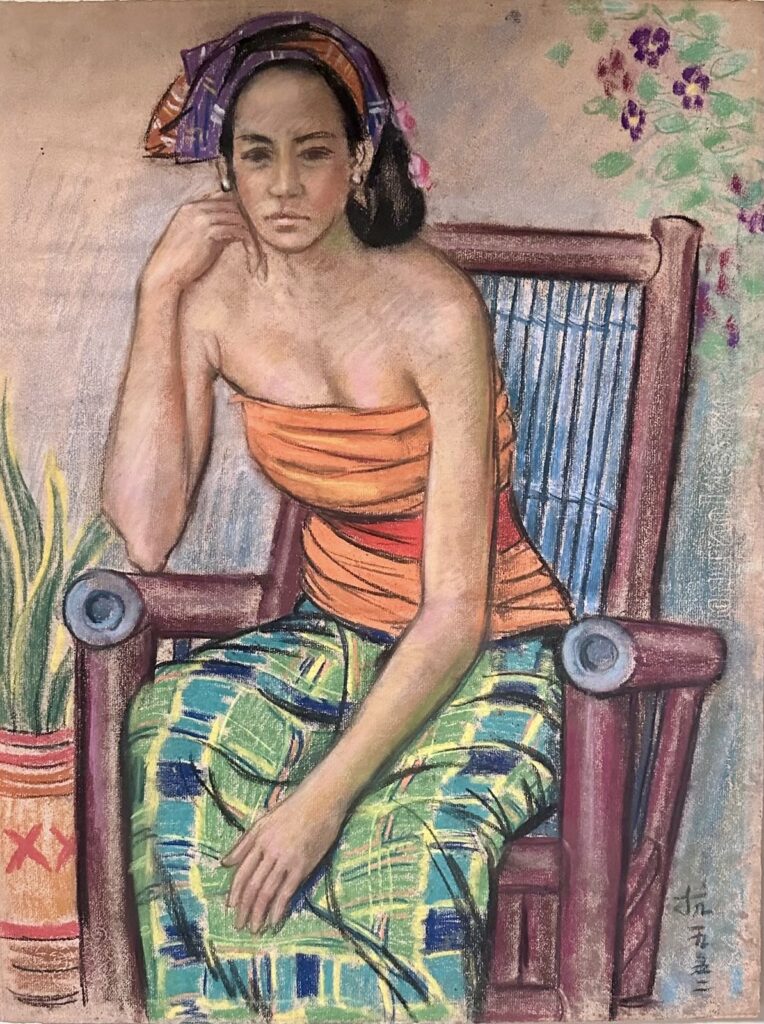
Throughout his life Liu drew upon a wide variety of influences, from French modernist painters to various Asian artistic traditions. In post-World War II Singapore his education and international exposure inspired him to integrate these artistic influences with local Southeast Asian subject matter. This approach gained momentum following the 1952 sketching trip to Java and Bali undertaken together with fellow pioneering artists Chen Wen Hsi, Chen Chong Swee and Cheong Soo Pieng and led to the emergence to what later became known as the Nanyang Style.
While definitions vary slightly, the key feature of Nanyang art is the unique blend of different art forms, combining the fluidity of Chinese ink painting and Western artistic styles like post-Impressionism and Cubism to paint Southeast Asian subject matter.
Pastel of Ni Pollok
1952
Pastel on Paper