Past
A Gaze in a World in Motion: Shui Tit Sing’s Journeys, Lens and Modernity
Shui Tit Sing’s Photography Exhibition
16 May – 27 June 2026
Exhibition extended to 4 July 2026
Tue – Sun: 11am – 7pm
Exhibition Details:
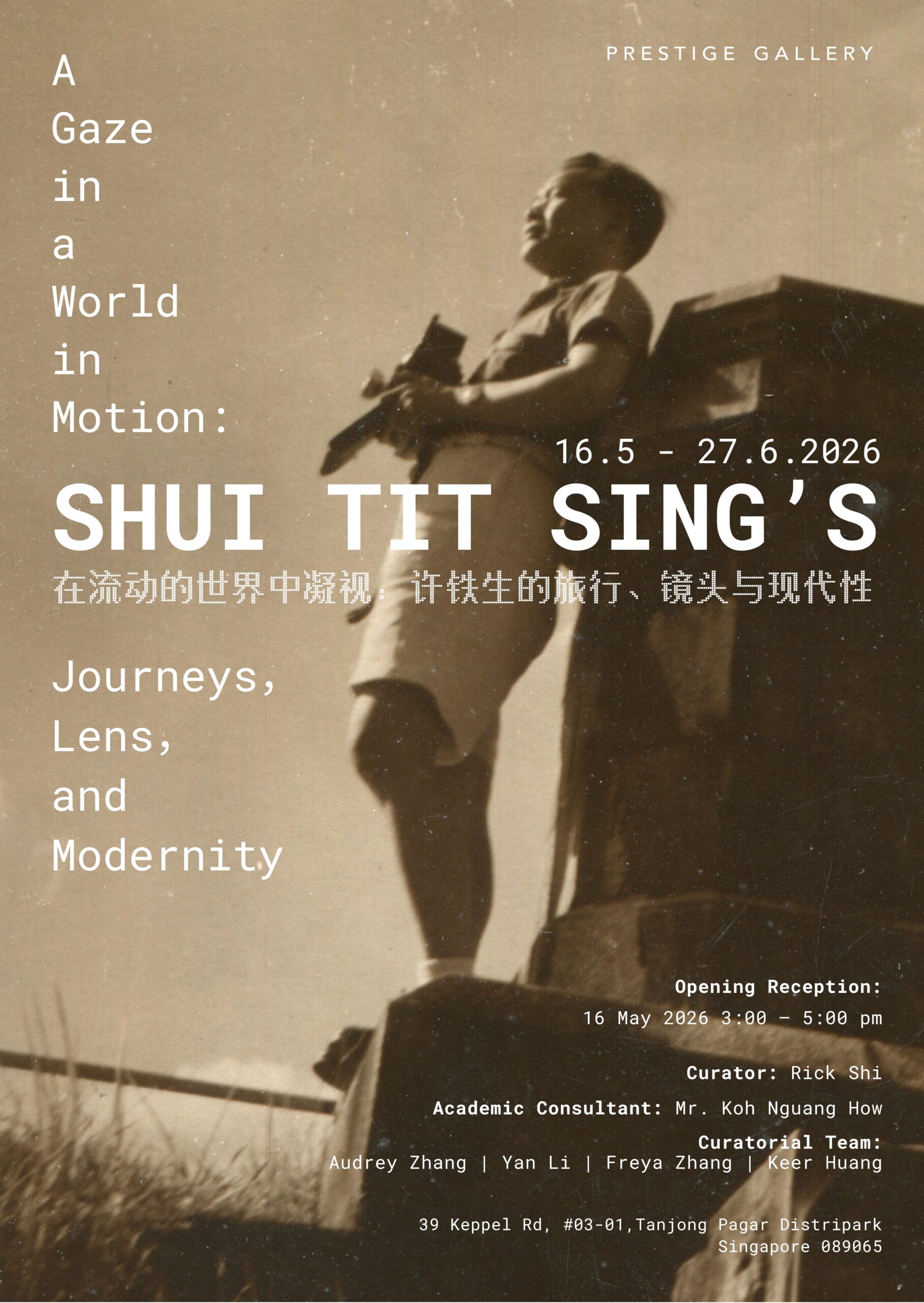
A Gaze in a World in Motion: Shui Tit Sing’s Journeys, Lens and Modernity
Shui Tit Sing‘s Photography Exhibition
16 May – 27 June 2026
Curator:Rick Shi
Academic Consultant: Mr. Koh Nguang How
Curatorial Team:
Audrey Zhang, Li Yan, Freya Zhang, Keer Huang
Prestige Gallery
39 Keppel Rd, Lobby A #03-01
Tanjong Pagar Distripark, Singapore 089065
Opening Reception
16 May 2026
3:00 – 5:00 pm
Academic Talk by Mr. Koh Nguang How and Mr. Kwok Kian Chow
23 May 2026
3:00 – 5:00 pm
Media Release Download Here
About Artist Shui Tit Sing
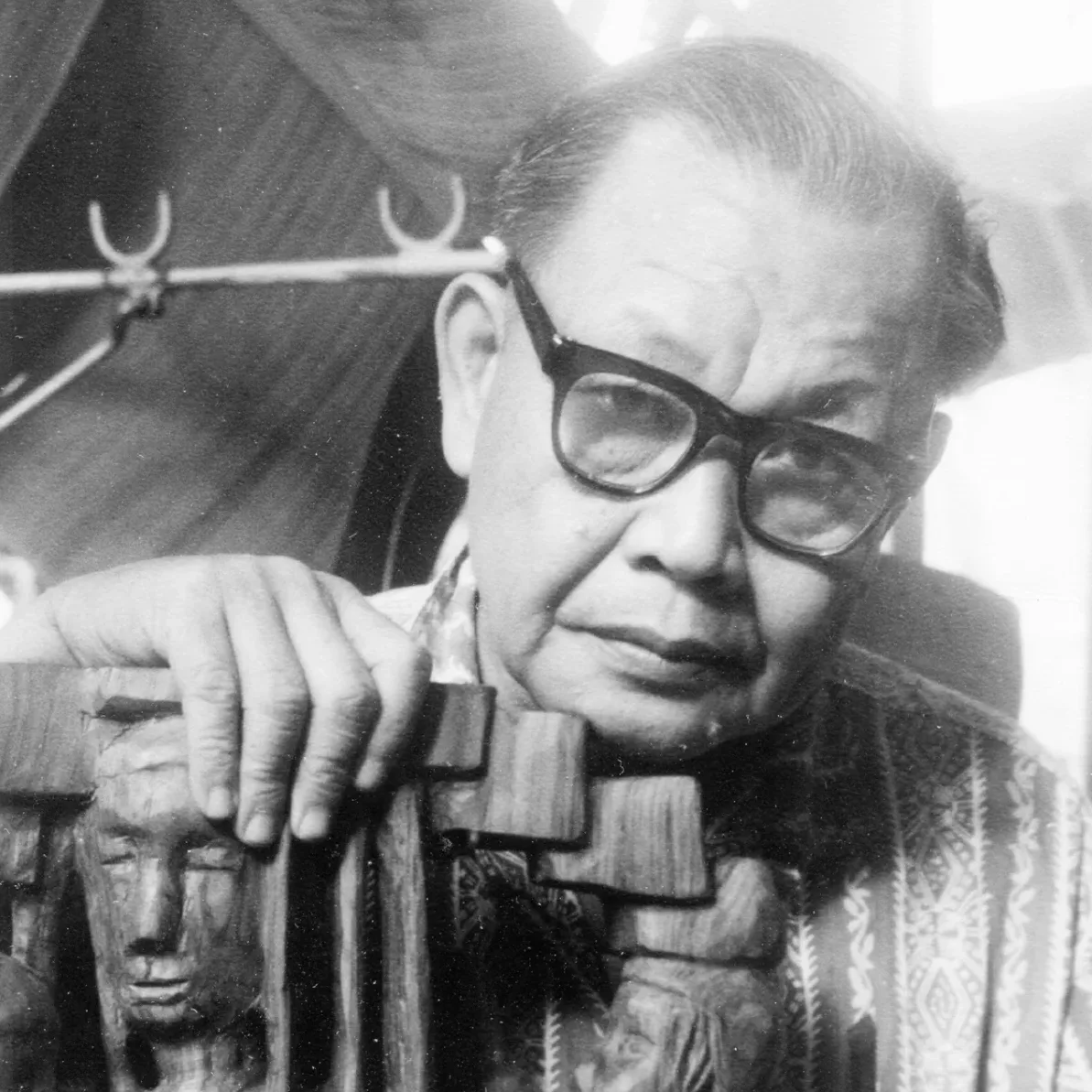
Shui Tit Sing (1914–1997) was a Chinese-born Singaporean artist and educator. He received his secondary education at Pui Ying Secondary School in Guangzhou, where he was introduced to the visual arts under the mentorship of renowned photographer Ho Tit-Wah. In 1934, he enrolled in the Hangzhou National College of Art—then under the directorship of Lin Fengmian—where he studied painting. His teachers included several of China’s modern art pioneers, among them Lin Fengmian, Pan Tianshou, Wu Dayu, Cai Weilian, Chang Shuhong, and Guan Liang. Lin once praised Shui as a student with “an iron will.” During his years in Hangzhou, Shui formed enduring friendships with fellow students including Zao Wou-Ki, Zhuang Huayue, Gao Guanhua, and Zheng Tiansong, with whom he lived, created, and exchanged ideas. He graduated from the Department of Painting in 1937 and furthered his studies in Western painting, completing his training in 1940.
In late 1940, Shui emigrated to Malaya upon the invitation of his former classmates Zheng Tiansong and Zheng Guanghan. From 1941 to 1945, he taught at Chung Hwa Middle School in Jesselton (now Kota Kinabalu), contributing quietly to art education during the turbulent years of World War II. In 1947, Shui moved to Singapore and began a long teaching career, most notably at Catholic High School from 1948 to 1977, as well as at Ai Tong Primary School and other local institutions. In 1957, he became a Singaporean citizen.
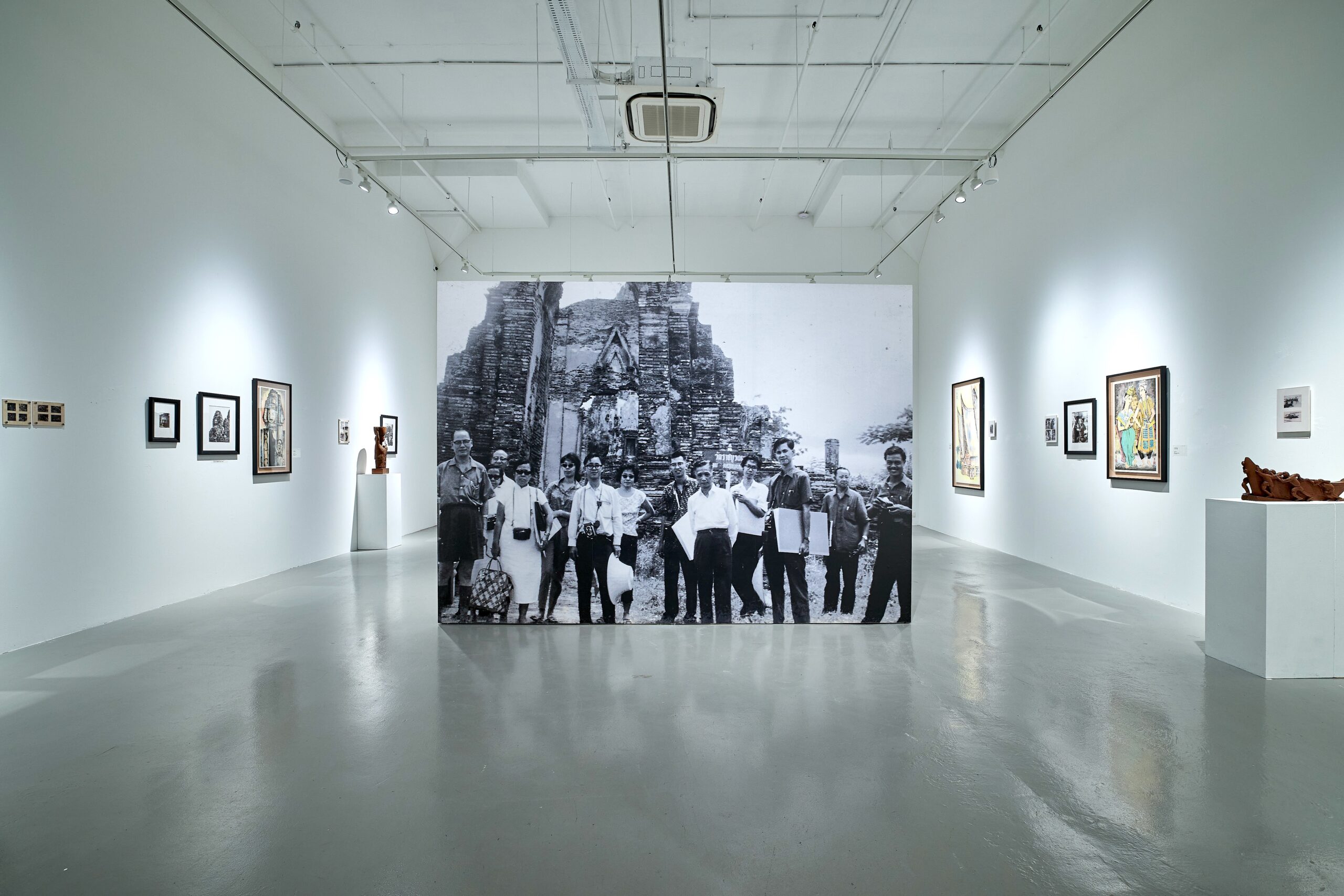
Alongside teaching, Shui maintained an active studio practice and exhibited widely in national exhibitions. He was a long-standing member of the Society of Chinese Artists and participated in group exhibitions across Singapore. During the 1960s and 1970s, he joined the Ten Men Art Group on study tours across Southeast Asia, where he painted, photographed, and later sculpted from observation, deepening his commitment to portraying the daily lives of local communities.
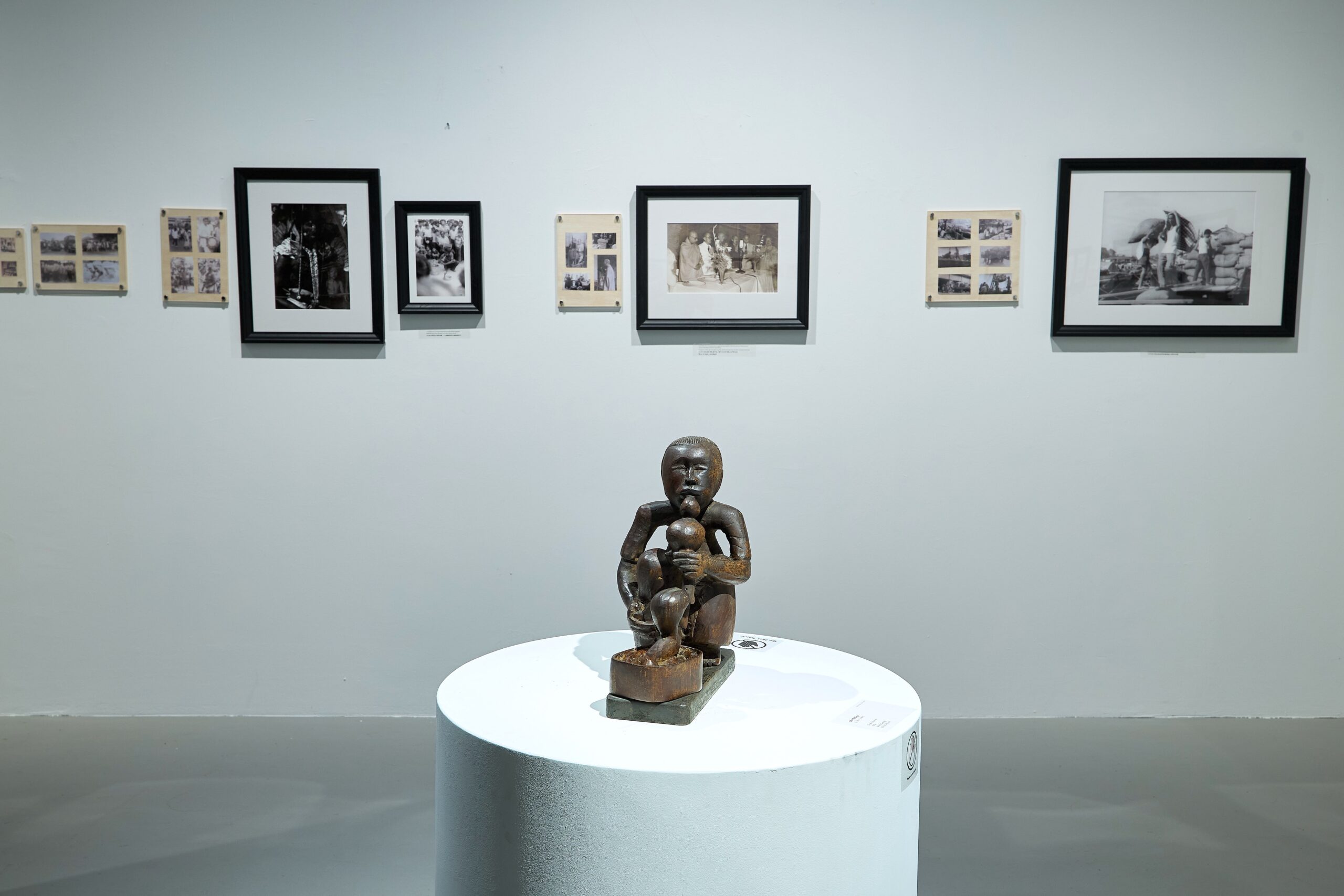
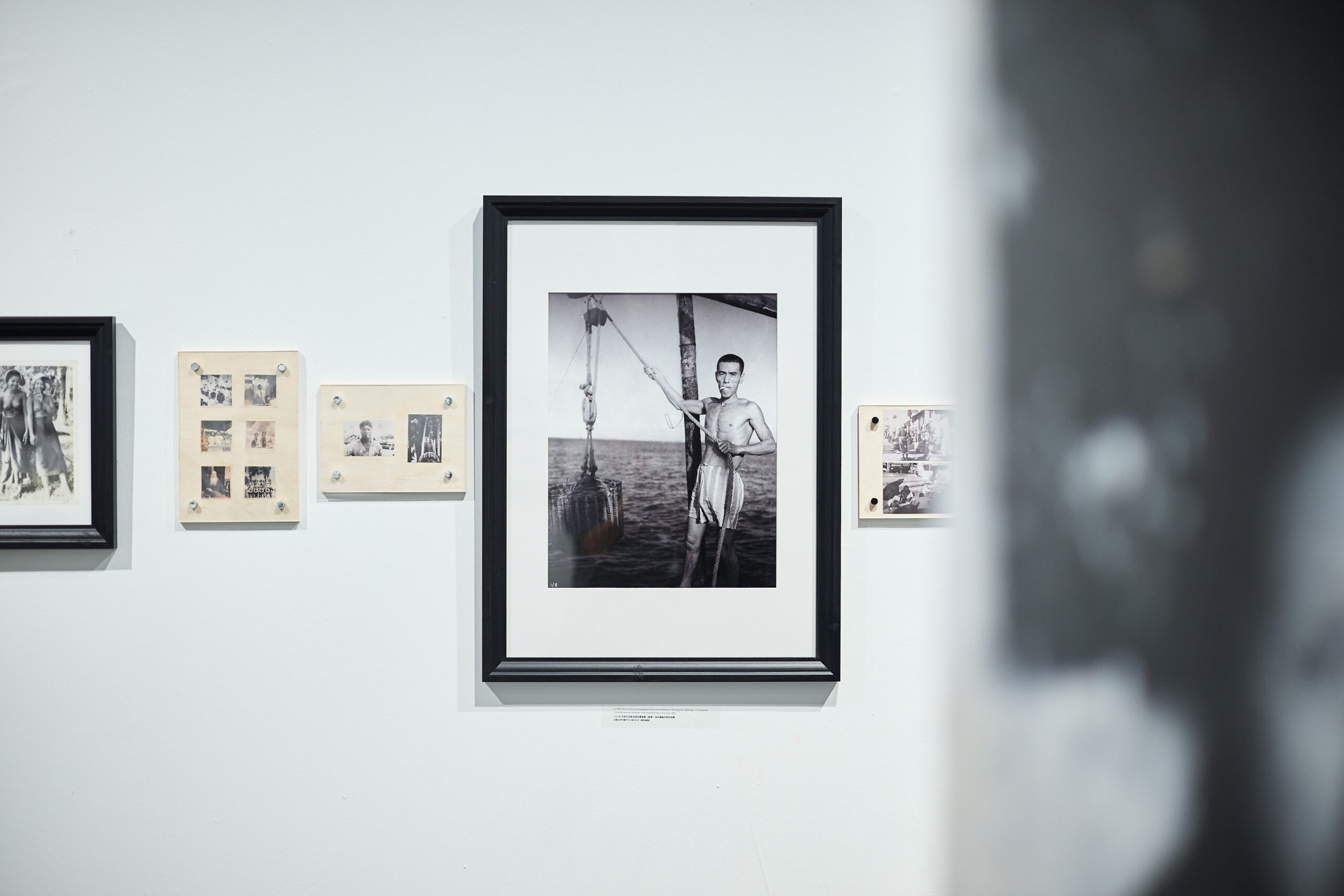
A pivotal shift in Shui’s career occurred in 1968 when he turned exclusively to sculpture. Working primarily in teak, his carvings portrayed fishermen, farmers, labourers, and women at work—subjects rendered with humility, clarity, and a deep reverence for human dignity. He once stated that his sculptures must be “oriental in spirit and grounded in reality.” Fellow artist and sculptor Cheong Soo Pieng suggested that Shui embrace a darker patina in his wood surfaces to evoke a sense of age and depth—a technique Shui adopted and made his own, developing a distinctive, timeworn visual language.
That same year, under the recommendation of Zheng Tiansong, then president of the Society of Chinese Artists, Shui was appointed to the society’s executive committee, working alongside artists such as Chen Wen Hsi, Chen Jen Hao, Lim Yew Kuan, and Lim Tze Peng. His contributions were instrumental to the society’s development during a critical period in its history.
Though widely respected as an educator and sculptor in Singapore, Shui remained deeply influenced by his early artistic foundations. He carried with him the ethos of his teacher Lin Fengmian—“to fight for art”—throughout his life. In his later years, Shui travelled extensively, taking thousands of photographs and translating his impressions of international life into wood sculptures. His work, while rooted in Chinese modernism, increasingly reflected a global awareness.
Shui Tit Sing passed away in Singapore in 1997. His legacy lives on through his many students, his contributions to Singapore’s early art institutions, and a body of work that stands as a quiet yet enduring testimony to a life devoted to art and education.
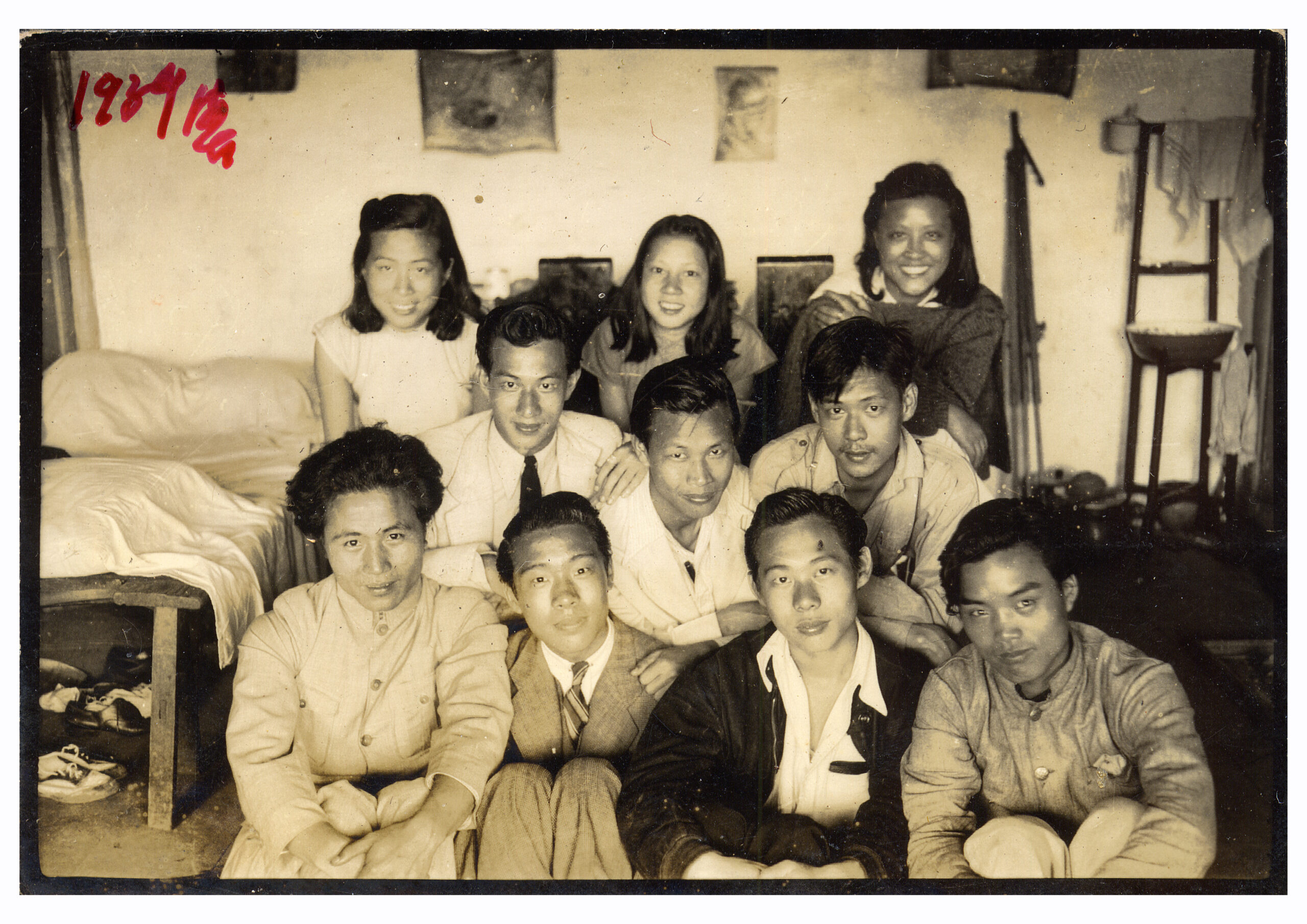
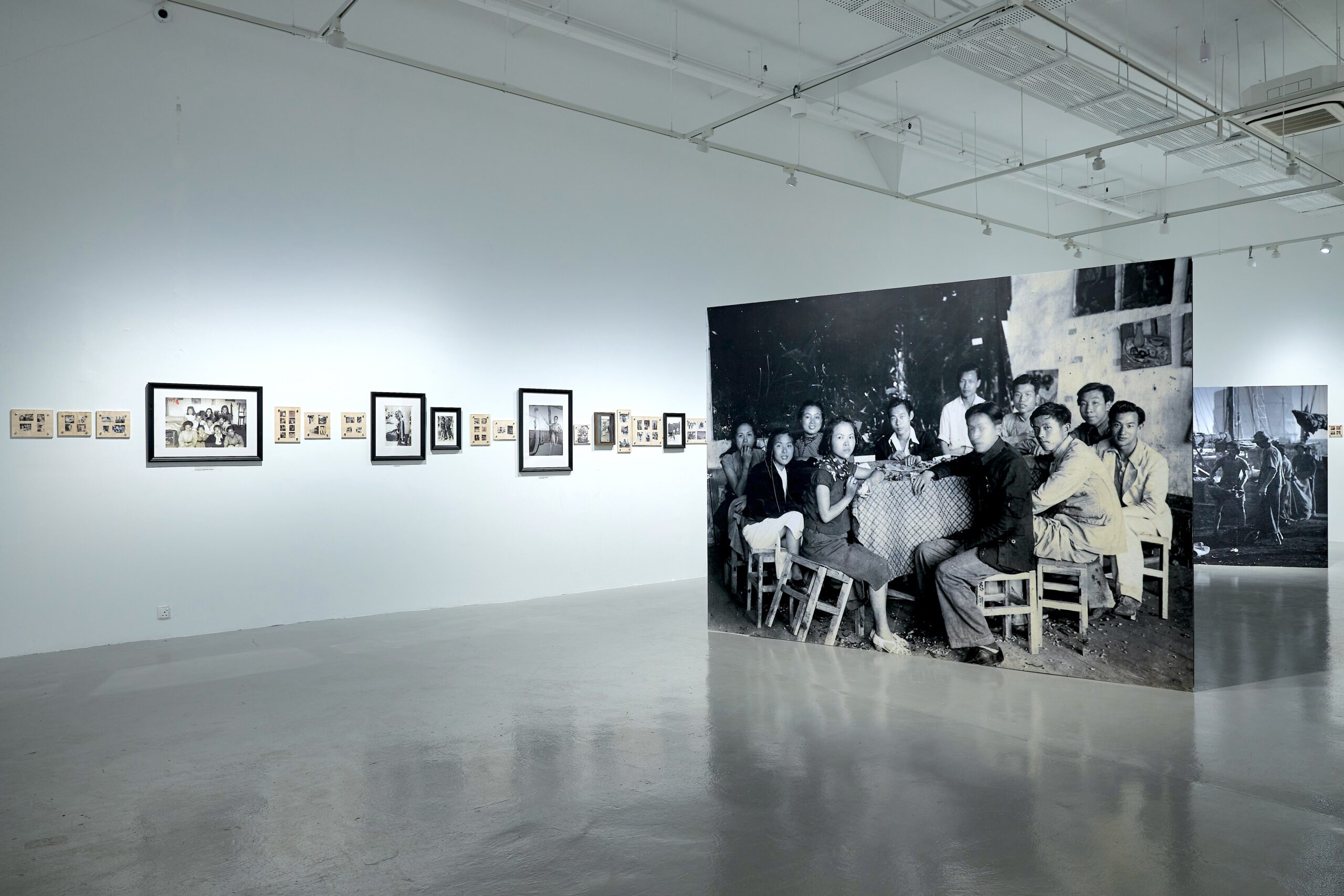
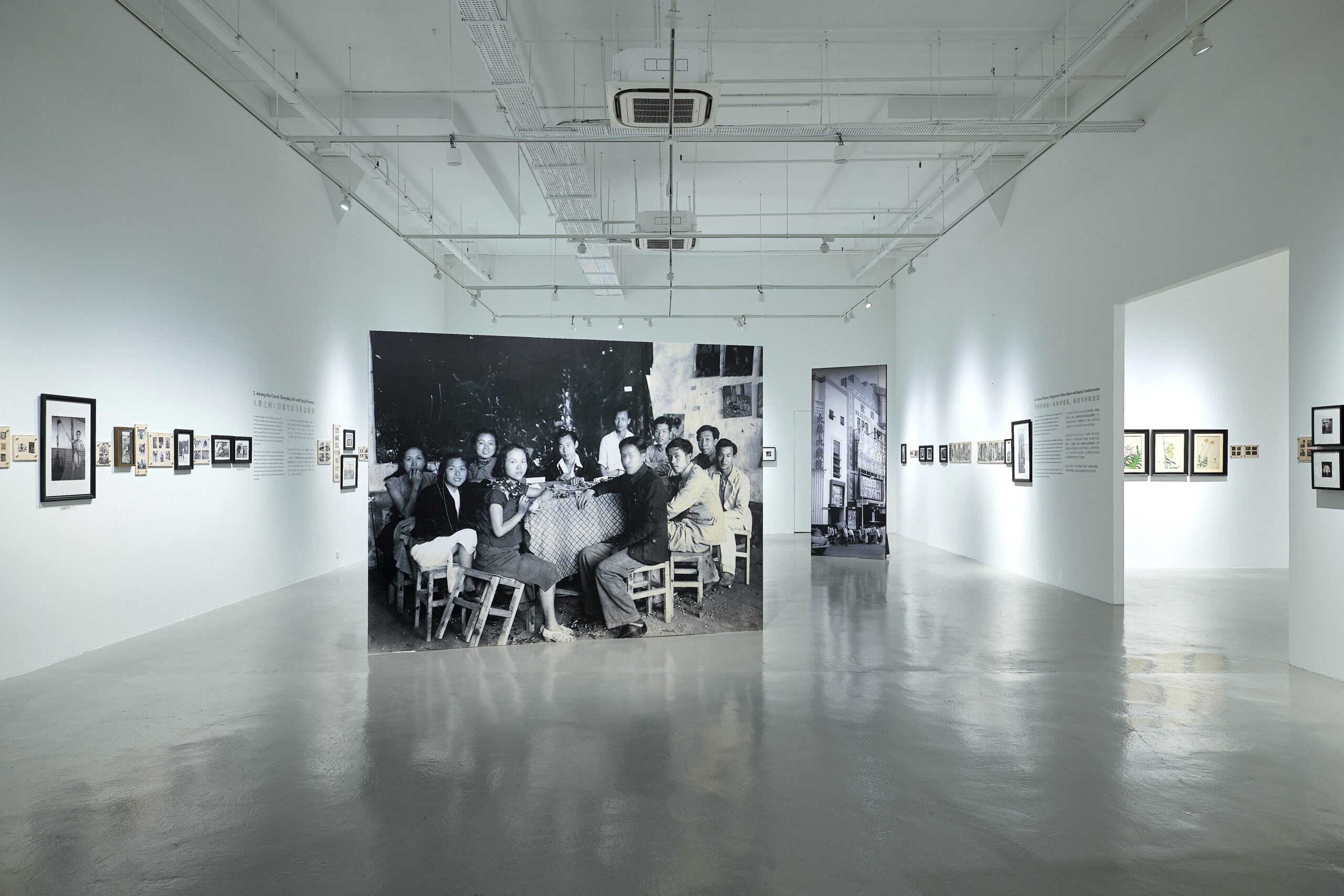
When the National College of Art relocated to Kunming, Zao Wou-Ki was preparing to leave and asked for Shui Tit Sing to take a group photo of his dormitory, 1939
Zao Wou-Ki is second from the right in the front row and Shui is second from the right in the back row
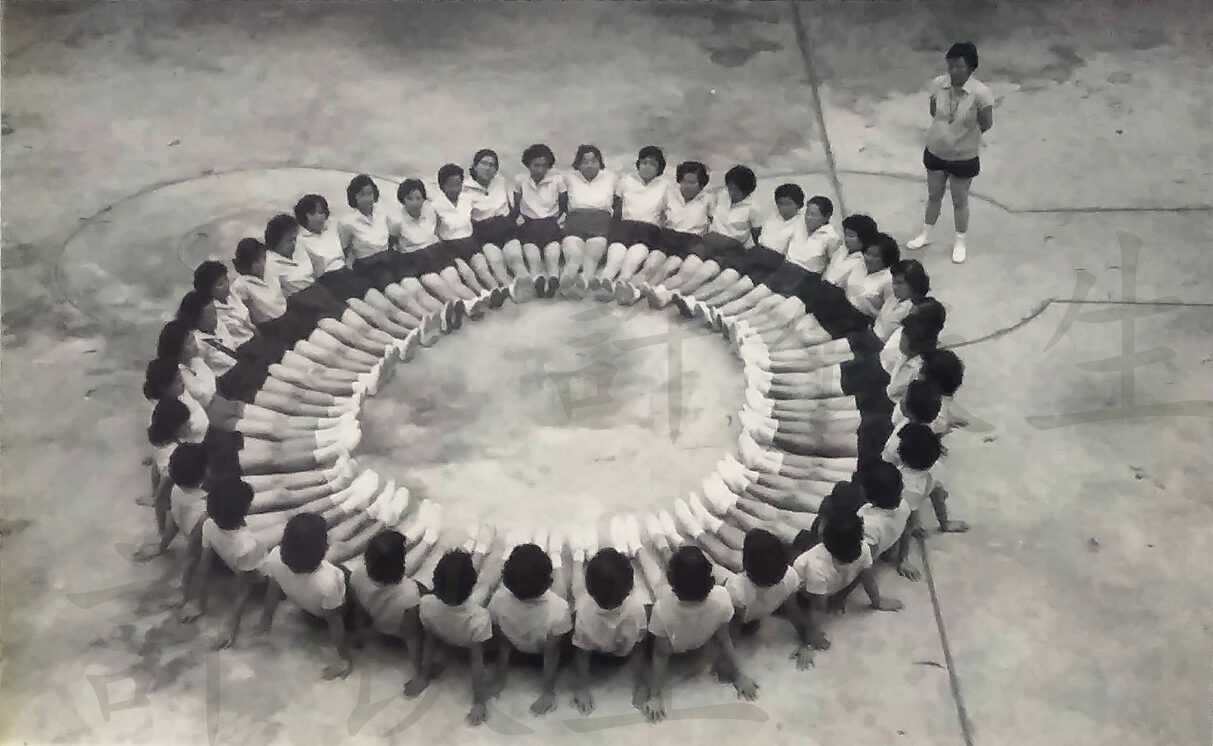
Shui Tit Sing photographed students collective physical training, c. 1940
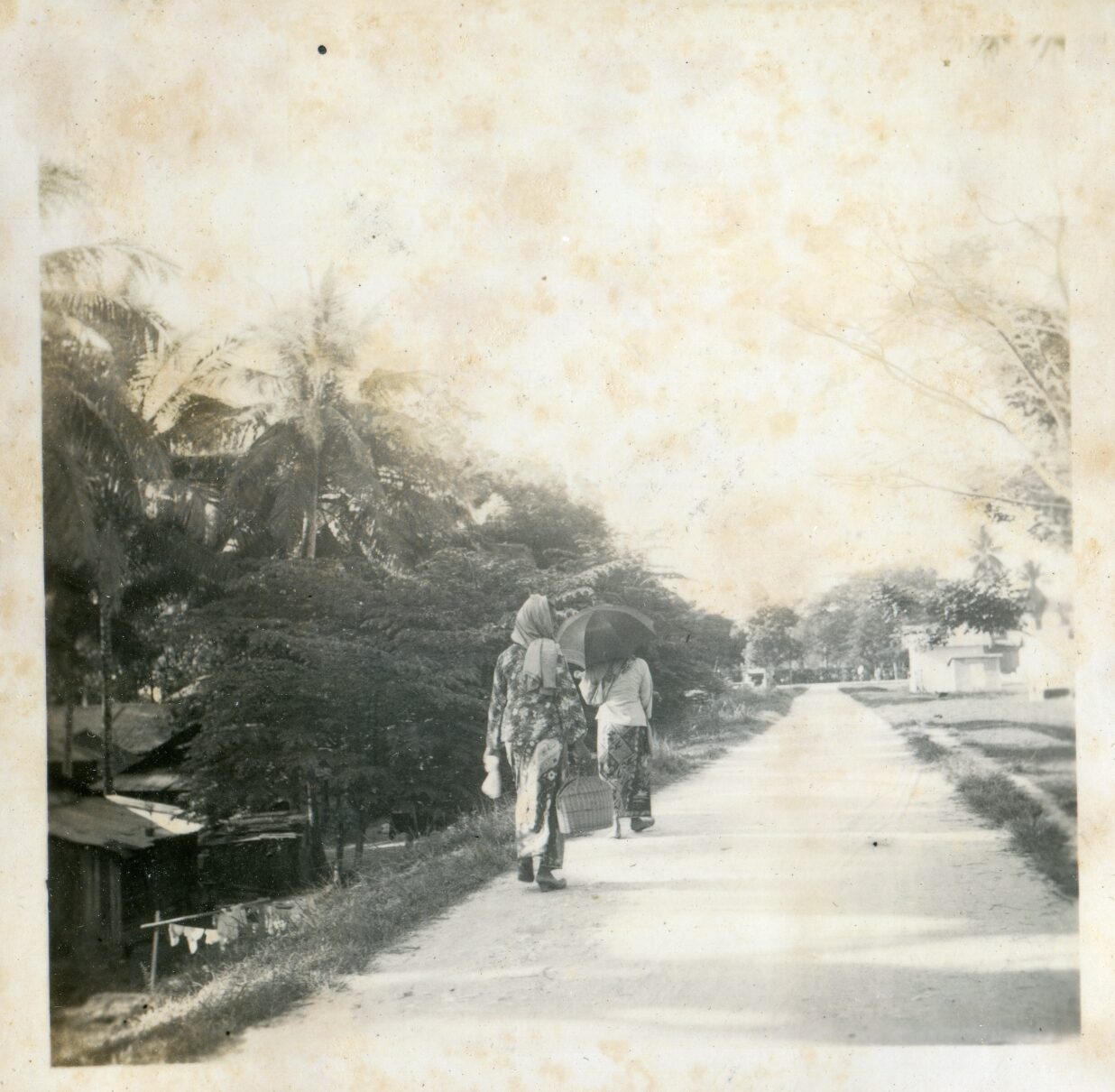
Shui Tit Sing photographed women in Kuala Pilah, Malaya, walking on the road, 1941
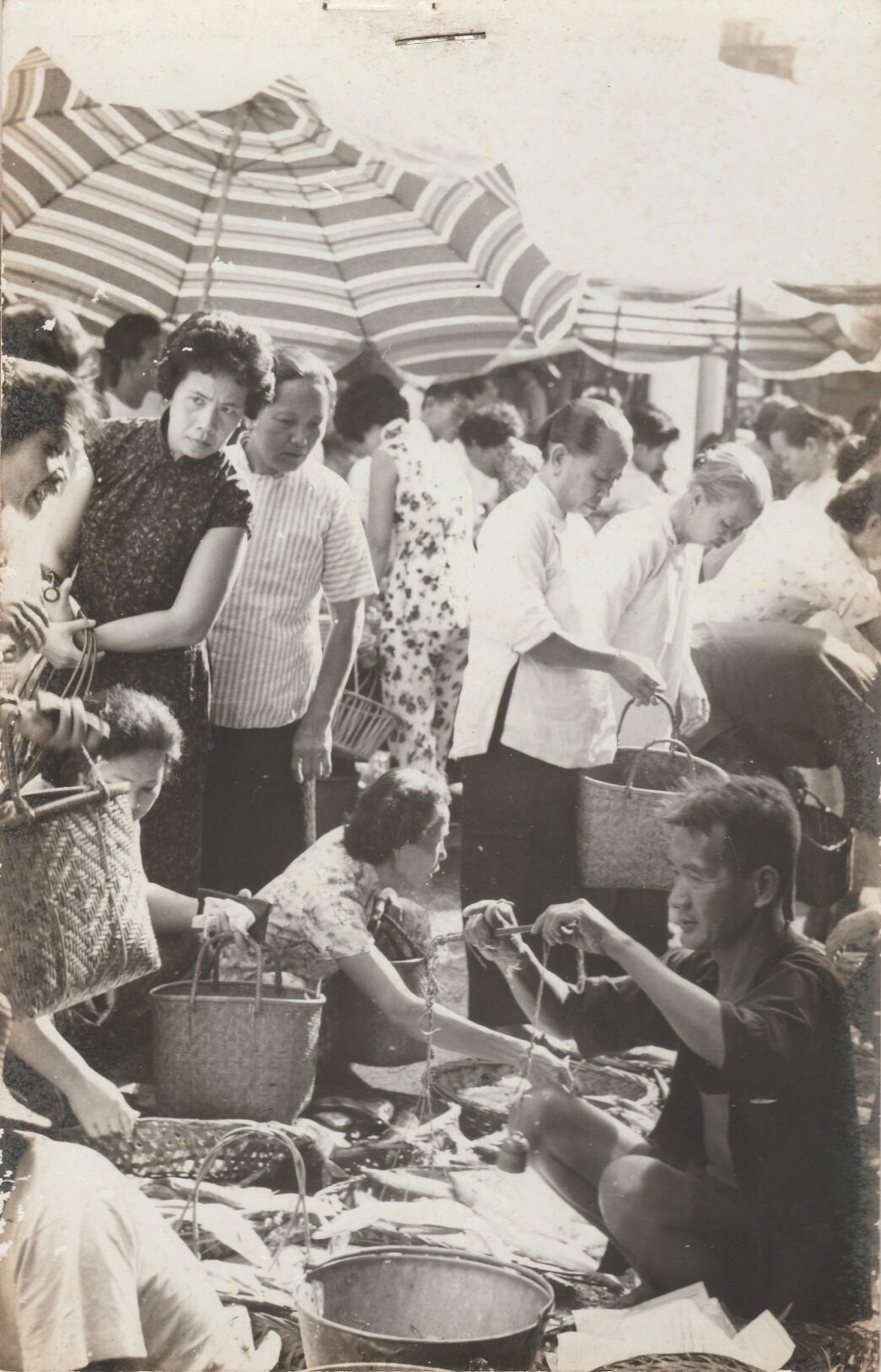
Scene of street market at Chinatown in Singapore Photographed by Shui Tit Sing, 1964
Shui Tit Sing’s Visual World
The Traveller in the Mirror: Self-Image and Shifting Identity
Shui Tit Sing’s life was closely shaped by movement, travel and ways of seeing. His self-portraits and personal photographs are therefore more than records of appearance. They reveal how he saw, positioned and redefined himself across different stages of life.
From his youth to his later years, from southern China to Singapore and across Southeast Asia, Shui’s changing expressions, postures, clothing and surroundings quietly trace the formation of a modern Chinese artist in motion. These images show that he was not only a person looking out at the world, but also someone who placed himself within the gaze of history, migration and cultural change.
Here, self-image becomes a living archive. It records not only the artist’s face, but also his search for identity, belonging and artistic direction across shifting geographies.
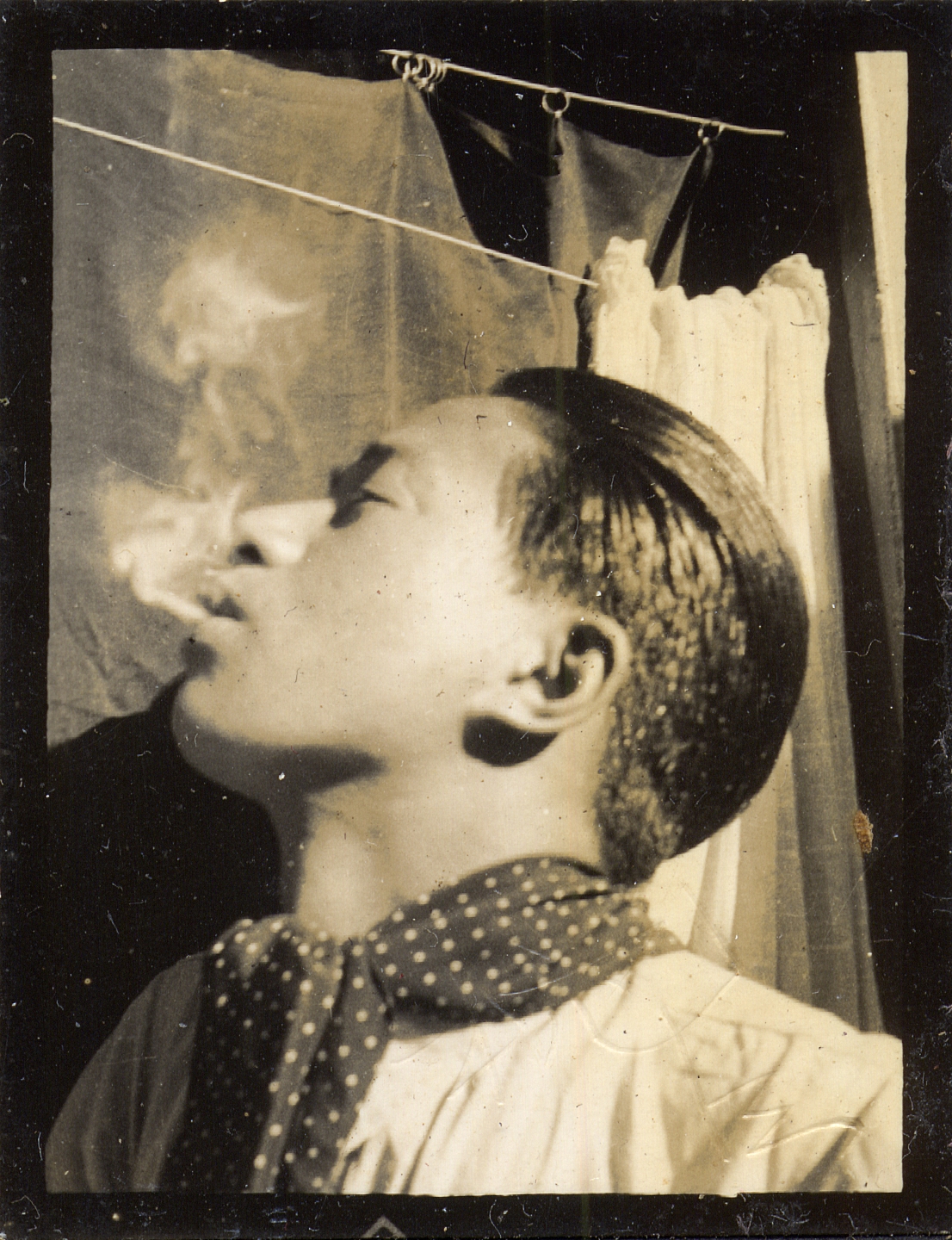
Self-portrait of Shui Tit Sing
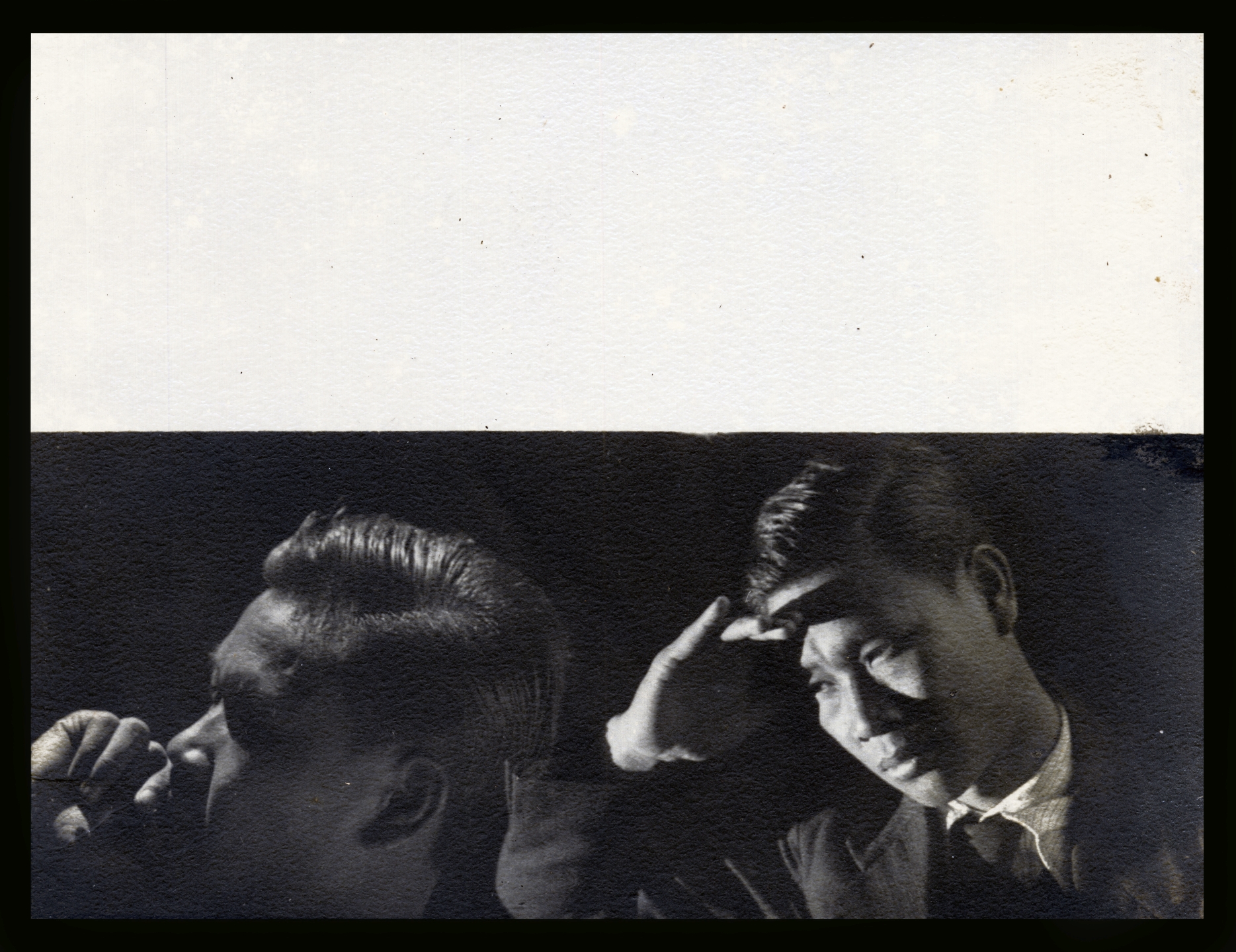
Self-portrait of Shui Tit Sing
Faces and Gazes: The Spirit of an Era in Portraits
Shui Tit Sing’s camera often turned towards people. Artists, teachers, friends, fellow travellers and ordinary individuals all appear in his photographs, each carrying their own expression, posture and presence. These images are not simply portraits or commemorative records. Shui was attentive to the pause in a gaze, the position of a body, the quiet moment between the sitter and the lens. A look, a gesture or a moment of stillness could become a fragment of a larger historical mood.
When Shui photographed artists and cultural figures, these images also became valuable visual records of modern artistic networks. They document not only who was present, but also the relationships, sensibilities and shared atmosphere of a generation of artists.
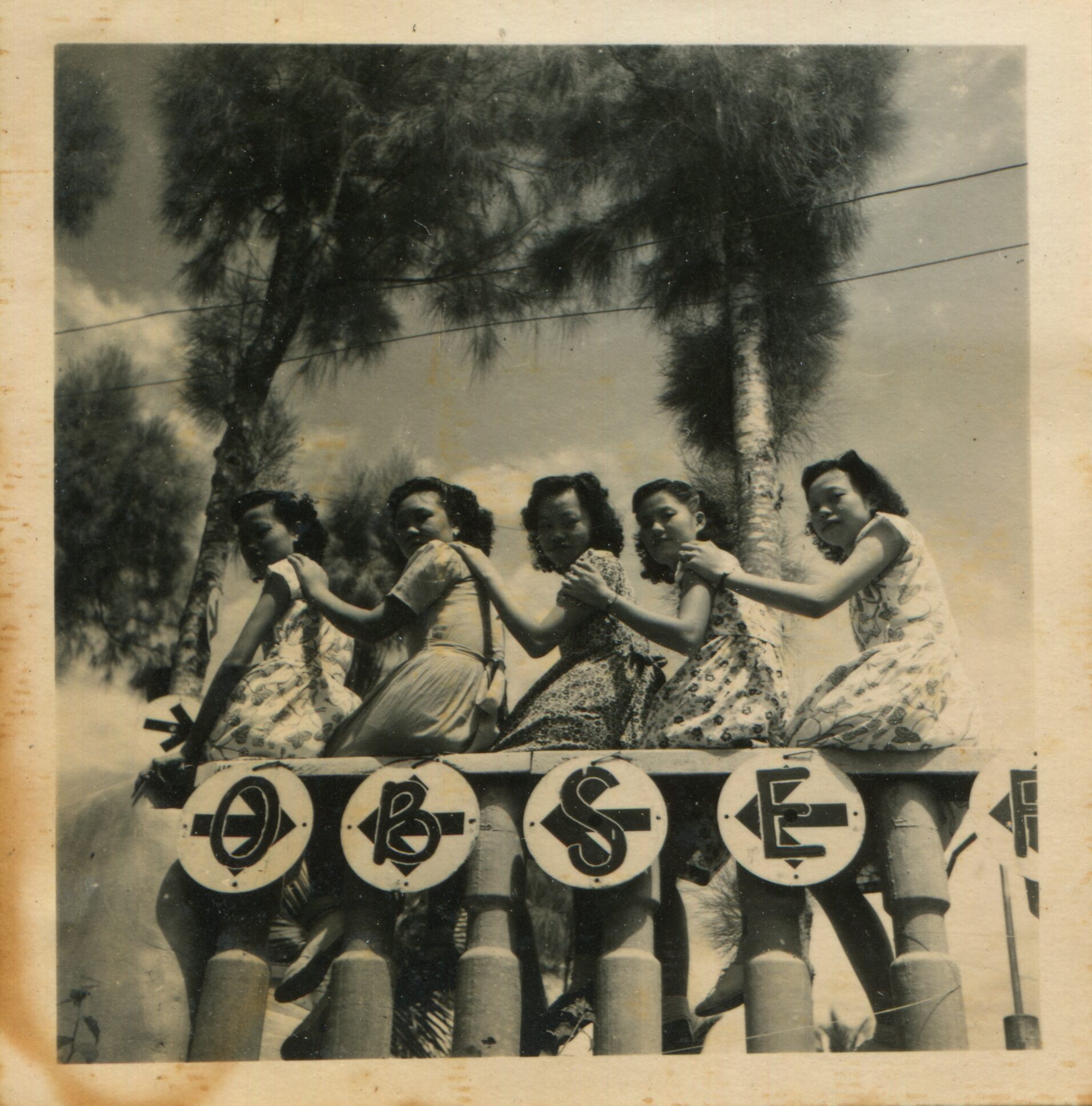
In the late 1940s, Shui Tit Sing took a group photograph of female teachers in Singapore
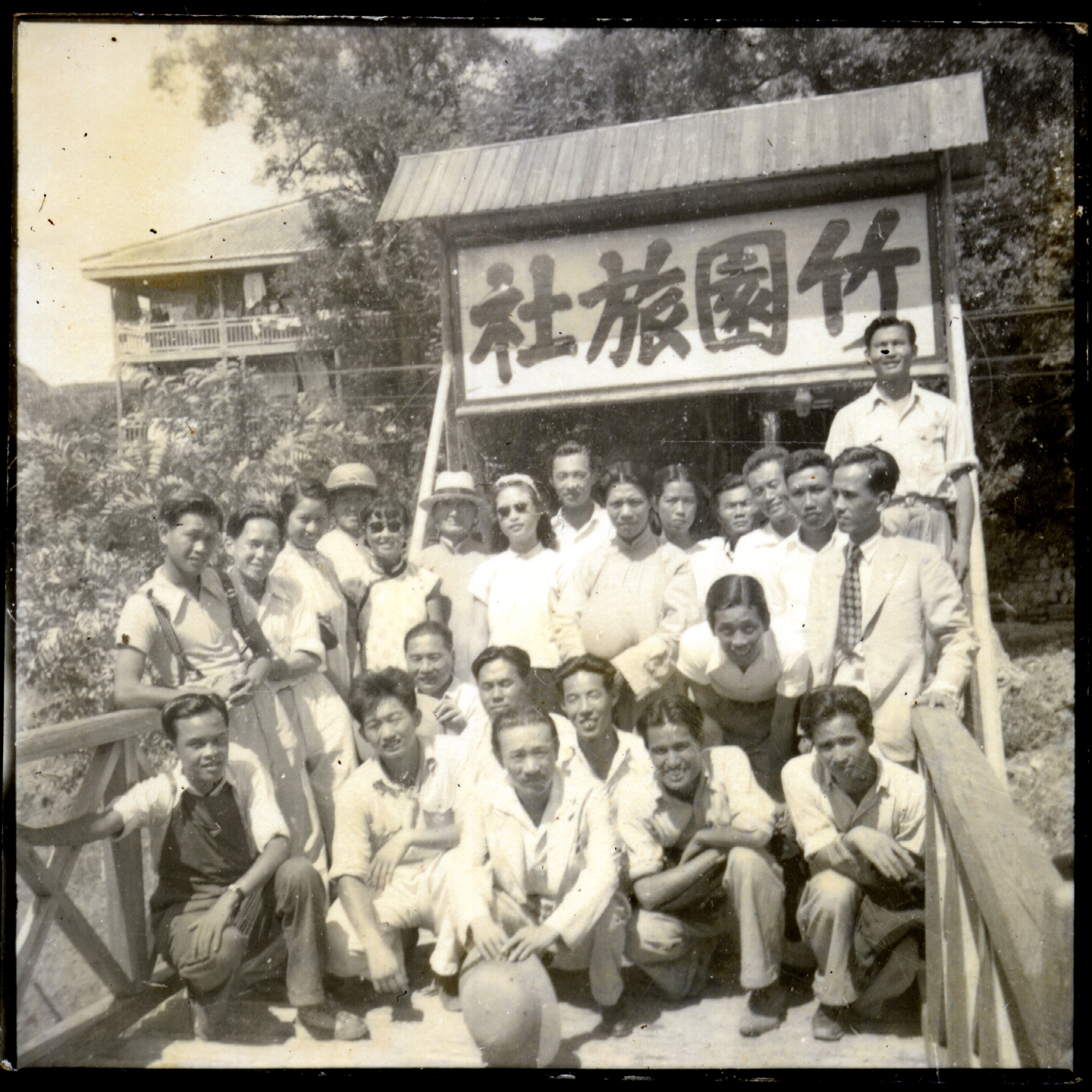
In 1937, Principal Lin Fengmian (Front roll, with hat) bid farewell to his students with a group photo taken the entrance of the Hangzhou National College of Art in Laoyaxi, Yuanling
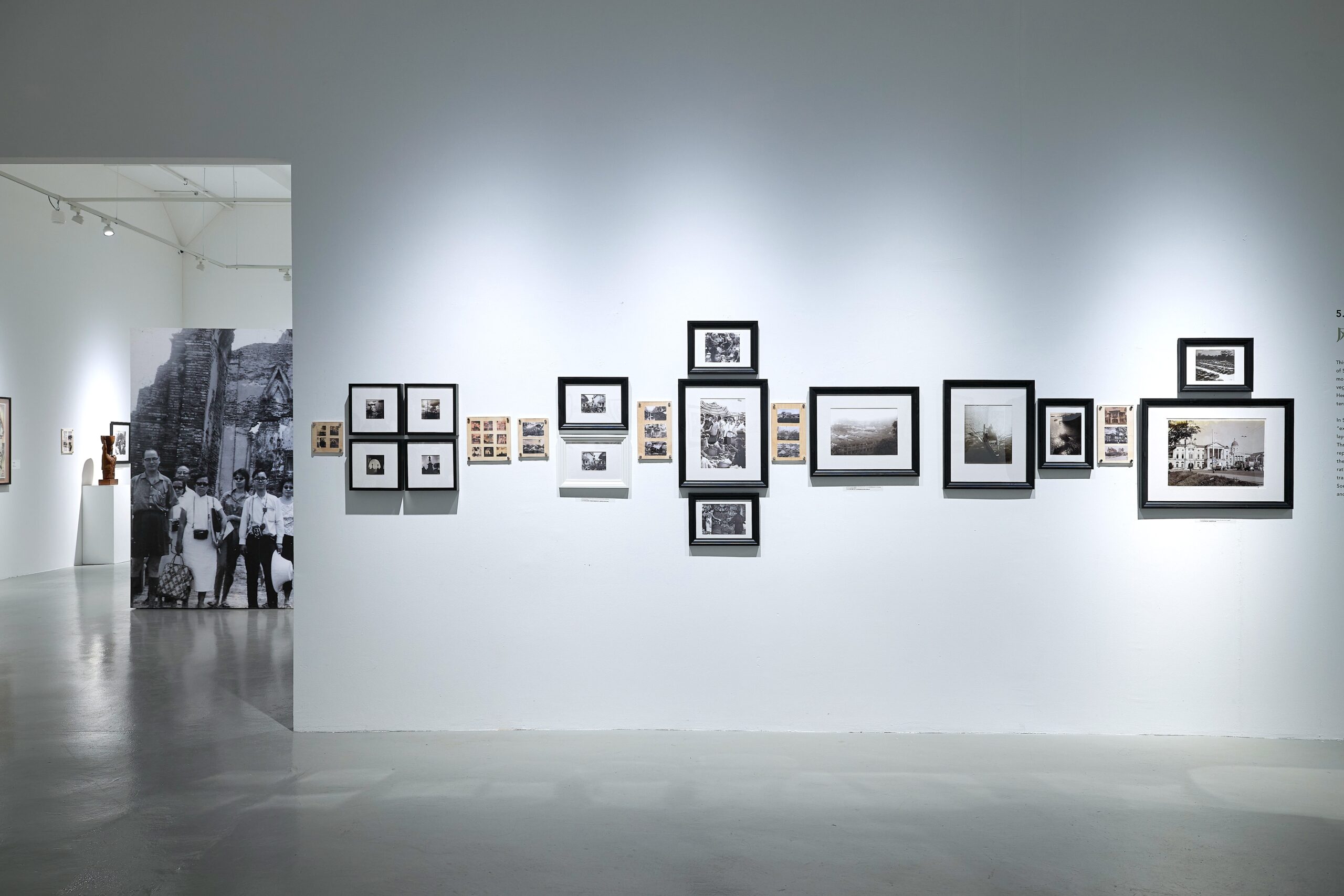
Among the Crowd: Everyday Life and Social Scenes
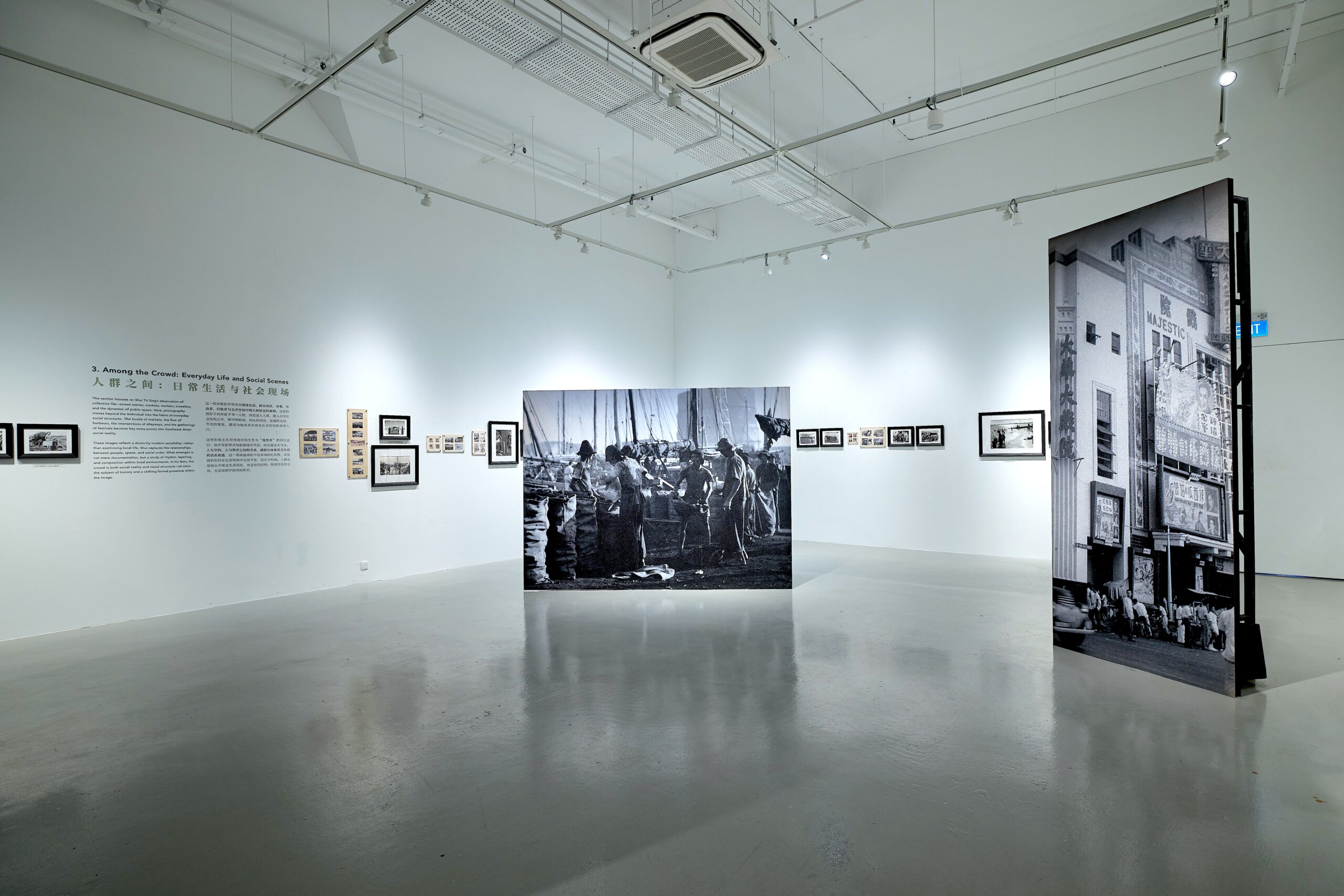
Beyond individual portraits, Shui Tit Sing also turned his camera towards crowds and everyday life. Markets, ports, streets, festivals, labouring bodies and public spaces became important sites through which he observed the social life of Southeast Asia. In these photographs, people are not isolated subjects. They exist within space, movement and the rhythm of daily life. The noise of the market, the flow of travellers, the distance between bodies and the crossings of streets are transformed into layered visual compositions.
Shui did not photograph local customs through an exoticising gaze. Instead, he was interested in how life unfolded in space, how crowds formed rhythm, and how social scenes carried texture, order and complexity. Through these images, viewers encounter not only past streets and figures, but also a modern way of seeing everyday life.
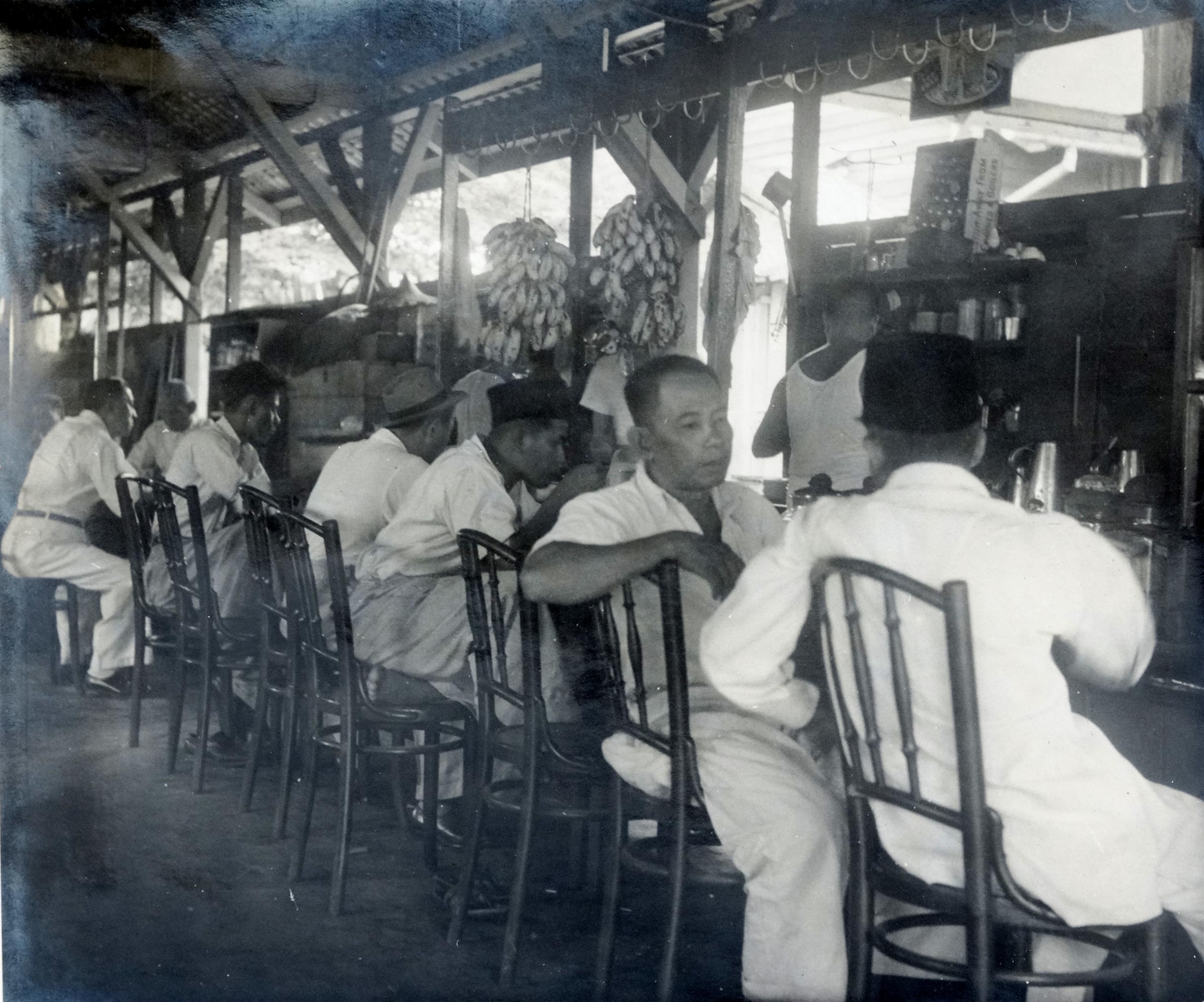
In 1941, Shui Tit Sing photographed acoffee stall inside a market in Singapore
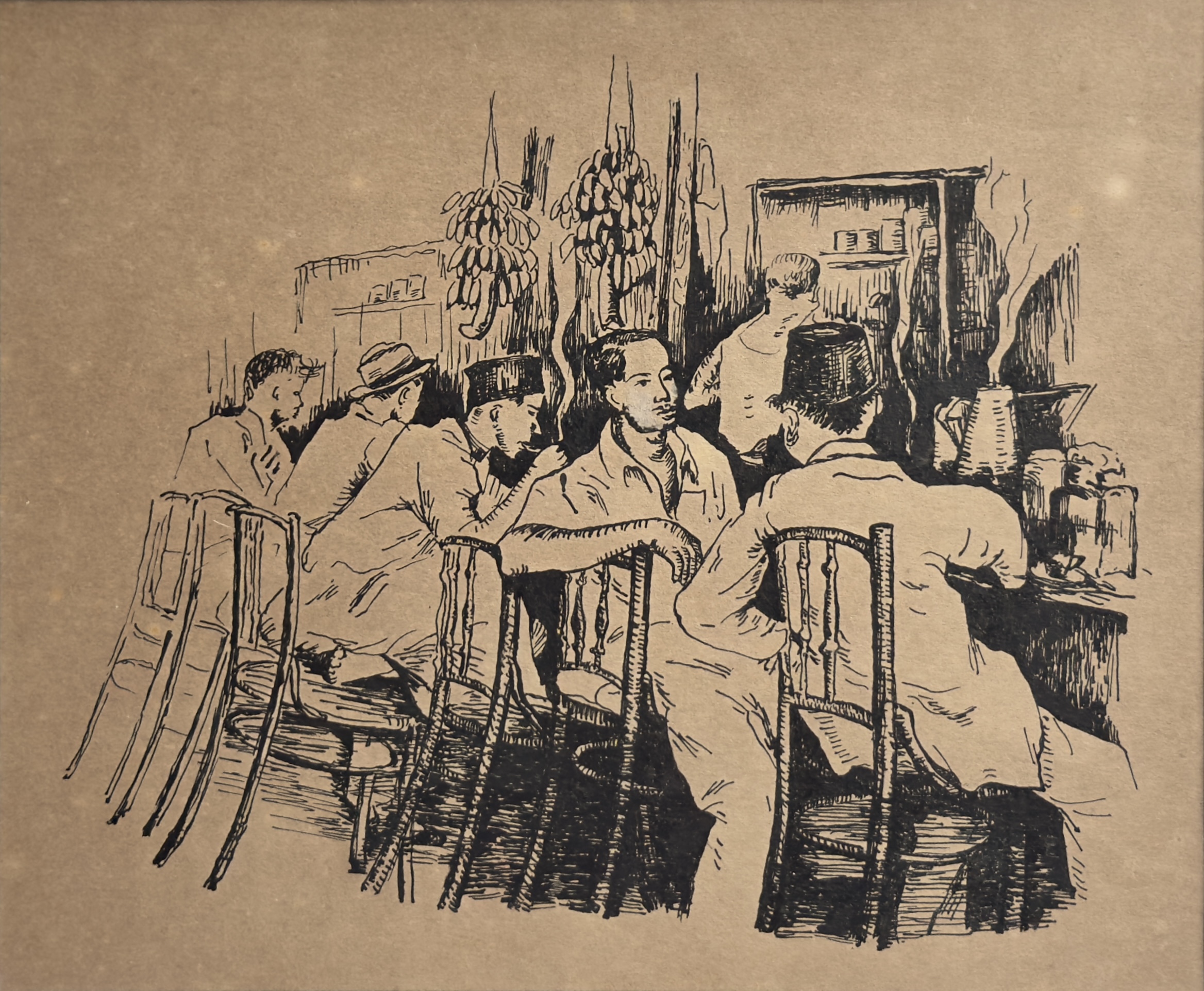
In 1941, Shui Tit Sing did a sketch of a coffee stallinside a Singapore market
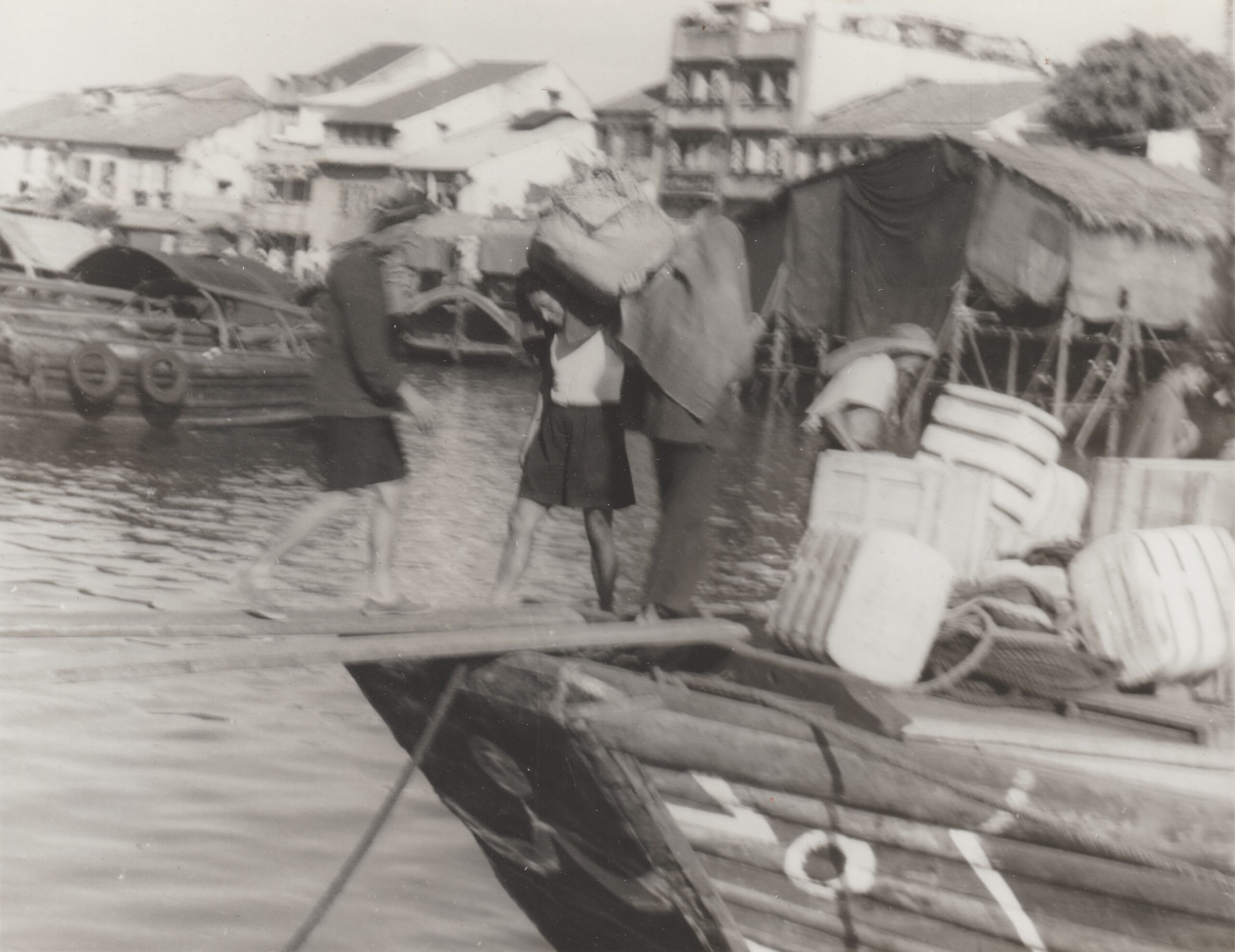
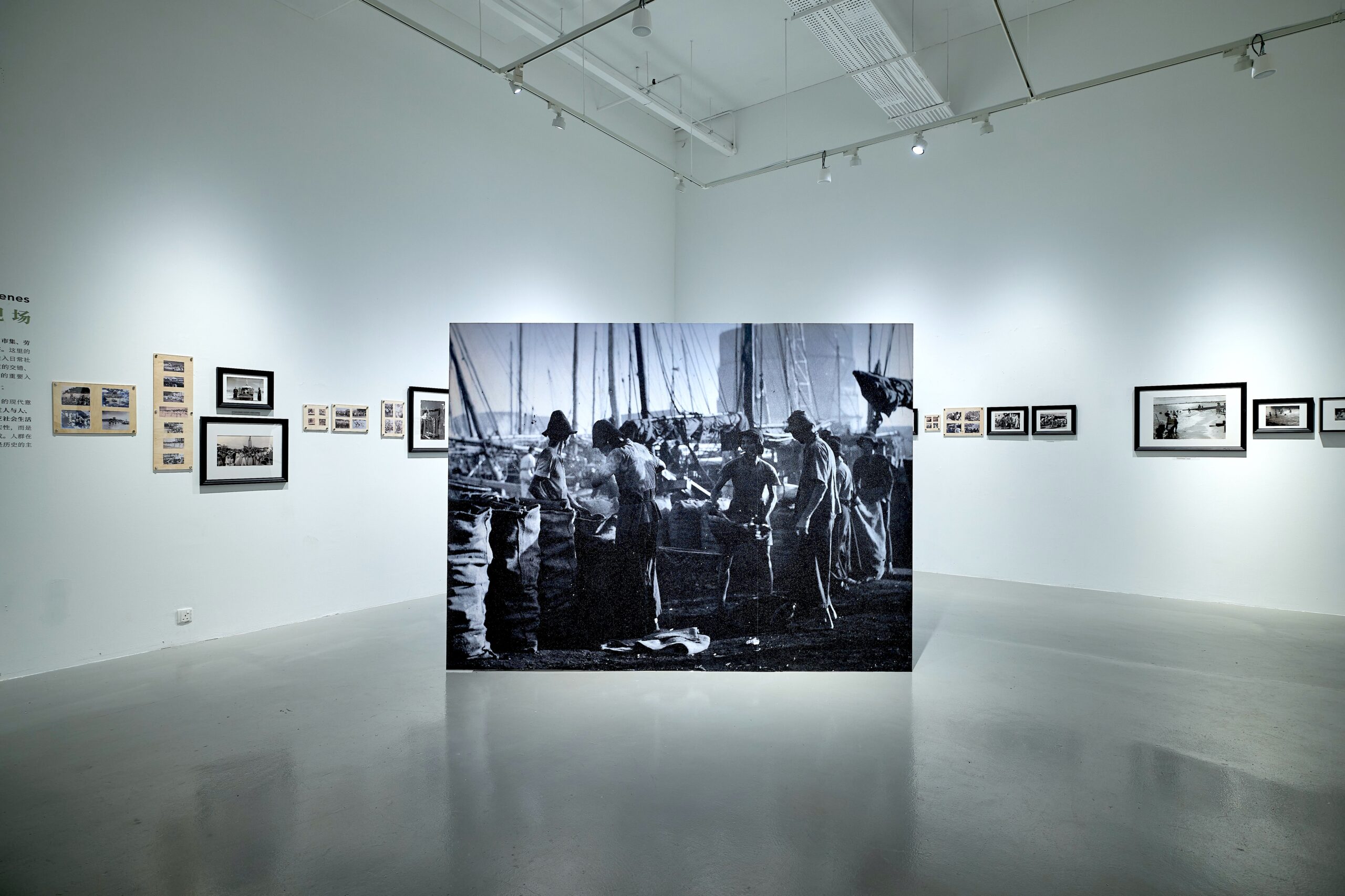
In the late 1960s, Shui Tit Sing photographed scenes of porters working their daily lives along the Kallang River
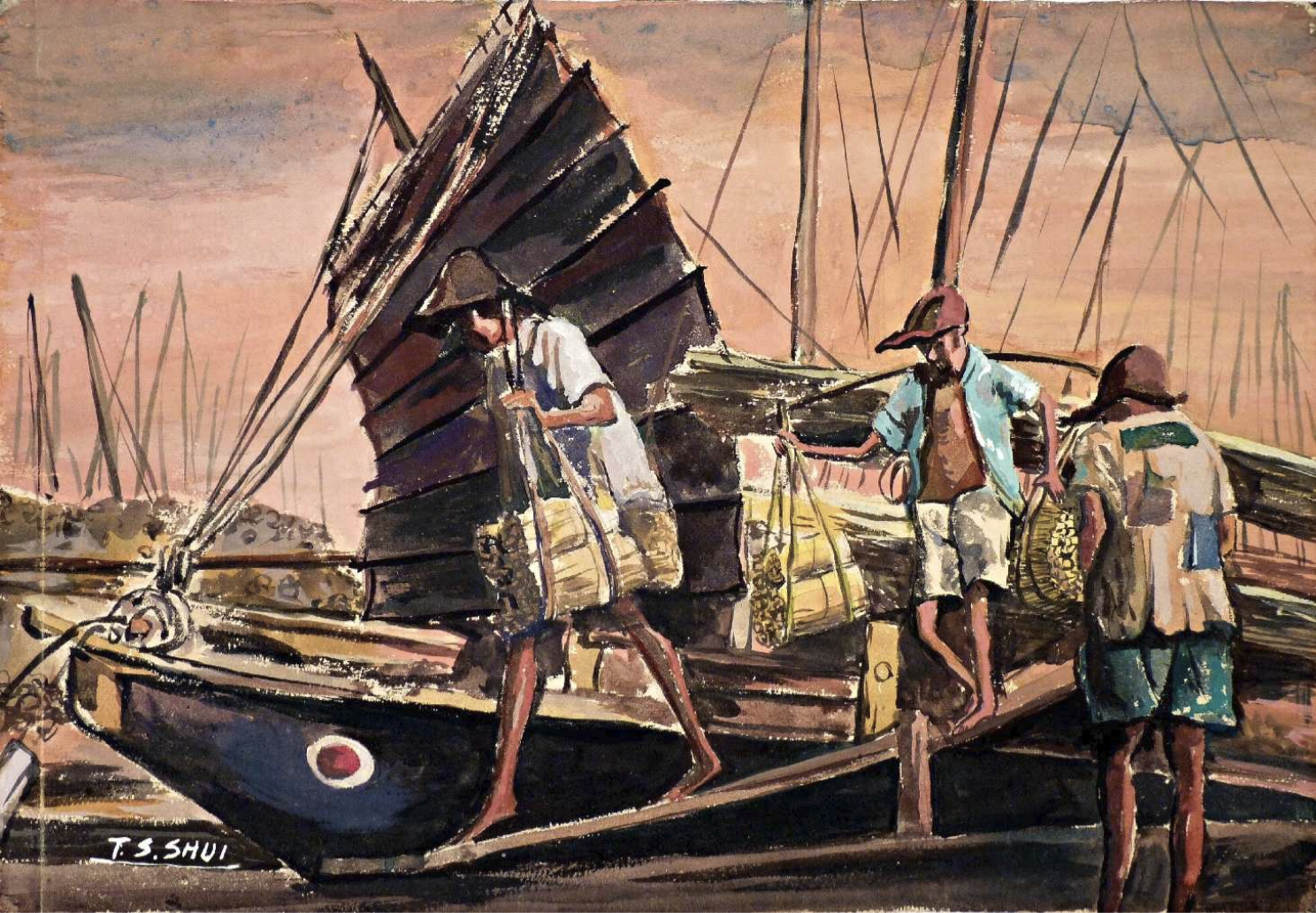
Workers at Kallang River,1950s,Watercolour on paper,39 x 56.5 cm
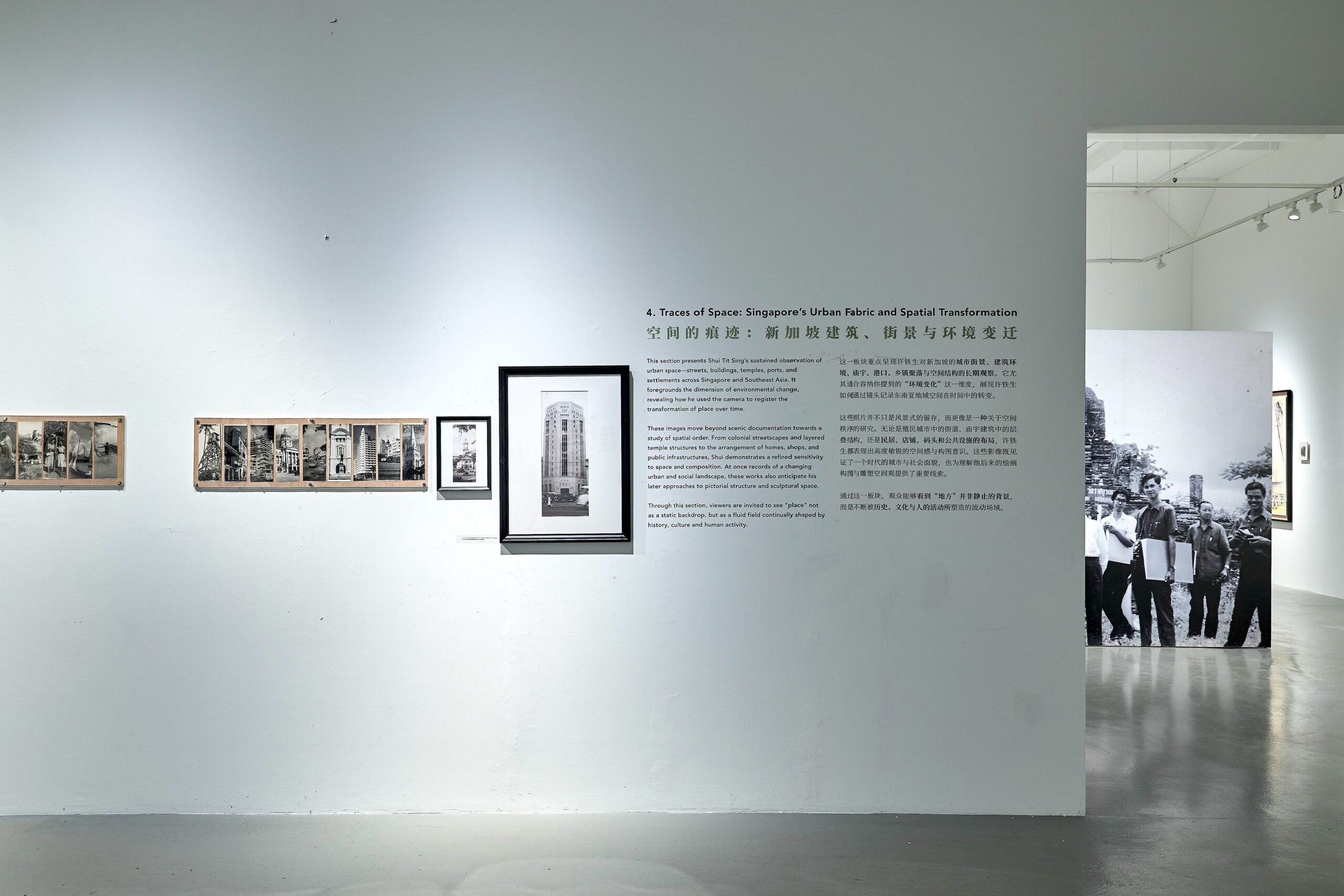
Traces of Space: Architecture, Streetscapes and Environmental Change
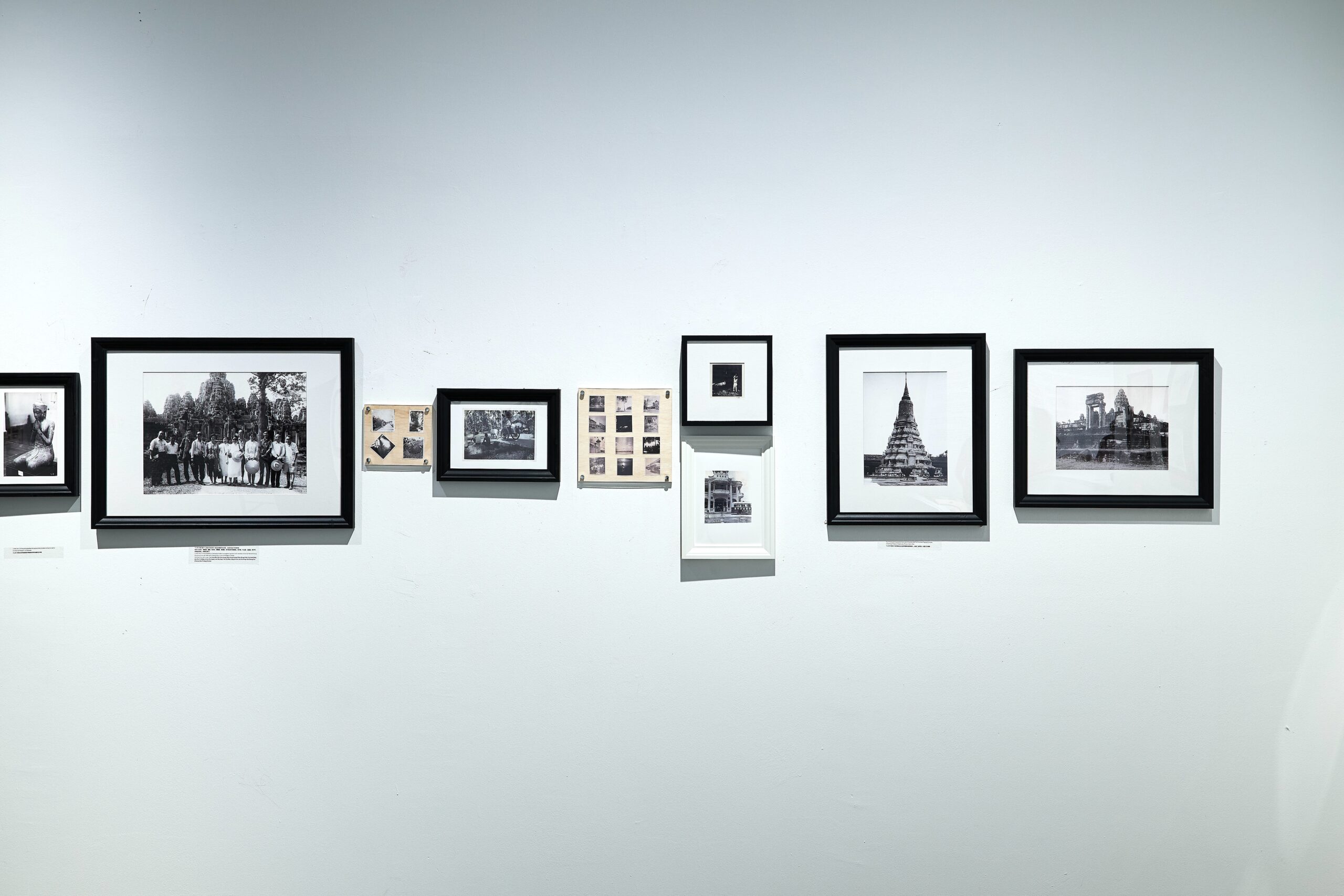
Urban streets, temples, ports, shophouses, homes and village settlements appear repeatedly in Shui Tit Sing’s photographs. Together, they form a visual archive of twentieth-century Singapore and Southeast Asia. These images are not merely scenic records. Shui showed a keen sensitivity to architectural structure, spatial order, layers of depth and the play of light and shadow. The spaces he photographed carry both historical traces and the warmth of lived experience. Through these photographs, place is no longer a fixed background. It becomes a changing field shaped by time, culture and human activity. These images bear witness to urban and social transformation, while also offering important clues to the compositional awareness in Shui’s paintings and the spatial thinking in his sculpture.
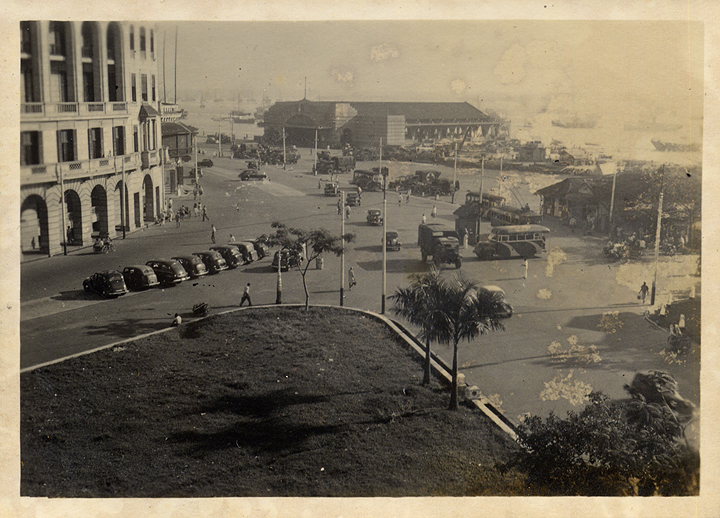
Upon his arrival in Singapore in 1940, Shui Tit Sing photographed the cityscape around Clifford Pier
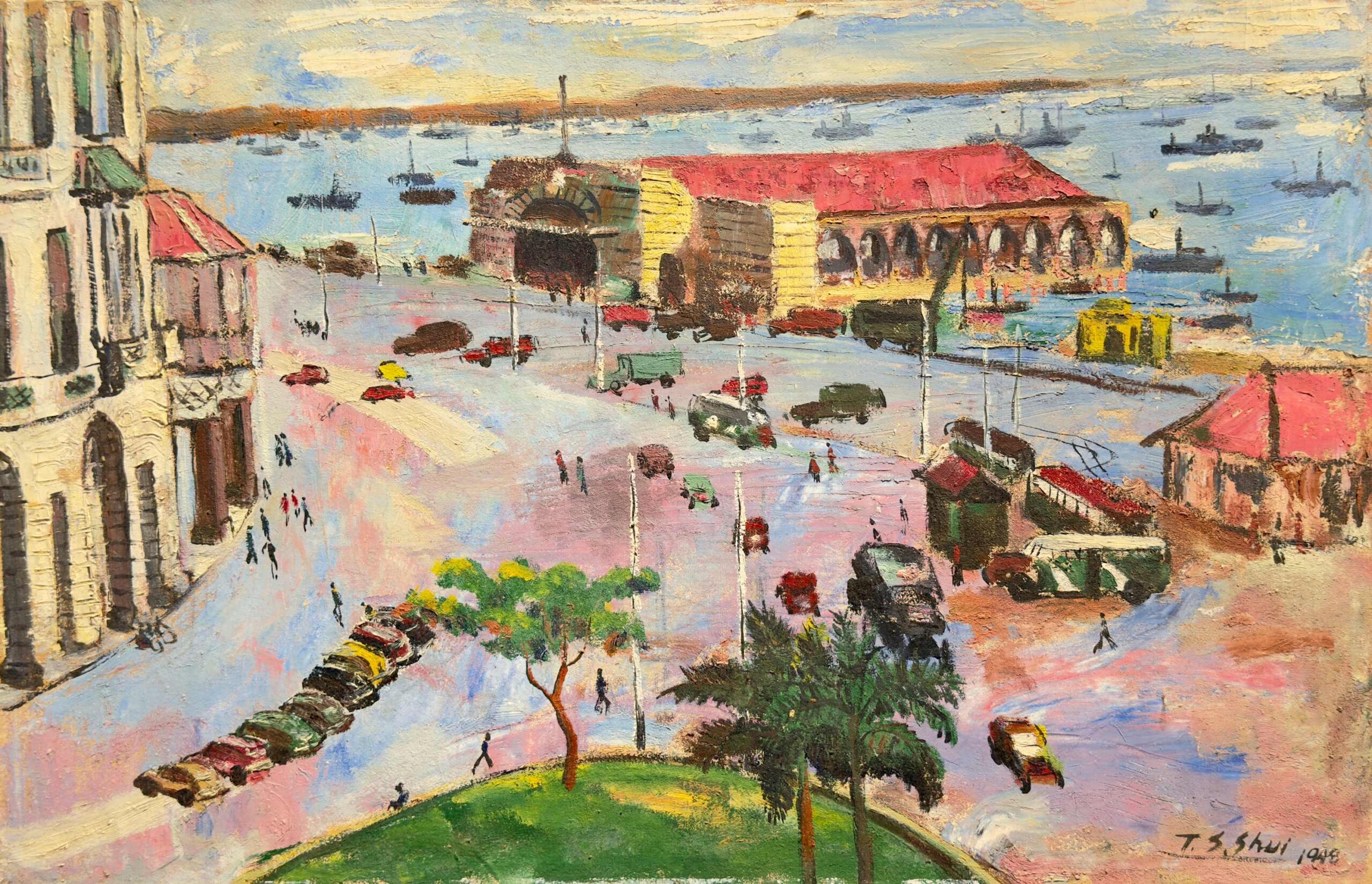
Clifford Pier in Singapore,1948,Oil on Canvas,56 x 87 cm
Landscapes and Distant Shores: Human Landscapes of Southeast Asia
Travel brought Shui Tit Sing into constant contact with new landscapes. Mountains, rivers, villages, temples, ancient sites, tropical plants and local ways of life come together in his photographs to form a rich visual image of Southeast Asia. The “landscape” here is not simply natural scenery, nor is it a romanticised vision of the exotic. The Southeast Asia seen through Shui’s lens is a lived world shaped by history, religion, nature and everyday life.
Through distant places, Shui re-examined his relationship with the world. Through local landscapes, he also redefined his own artistic vision. In his photographs, landscape becomes a form of cultural experience: poetic yet grounded, regional yet deeply personal.
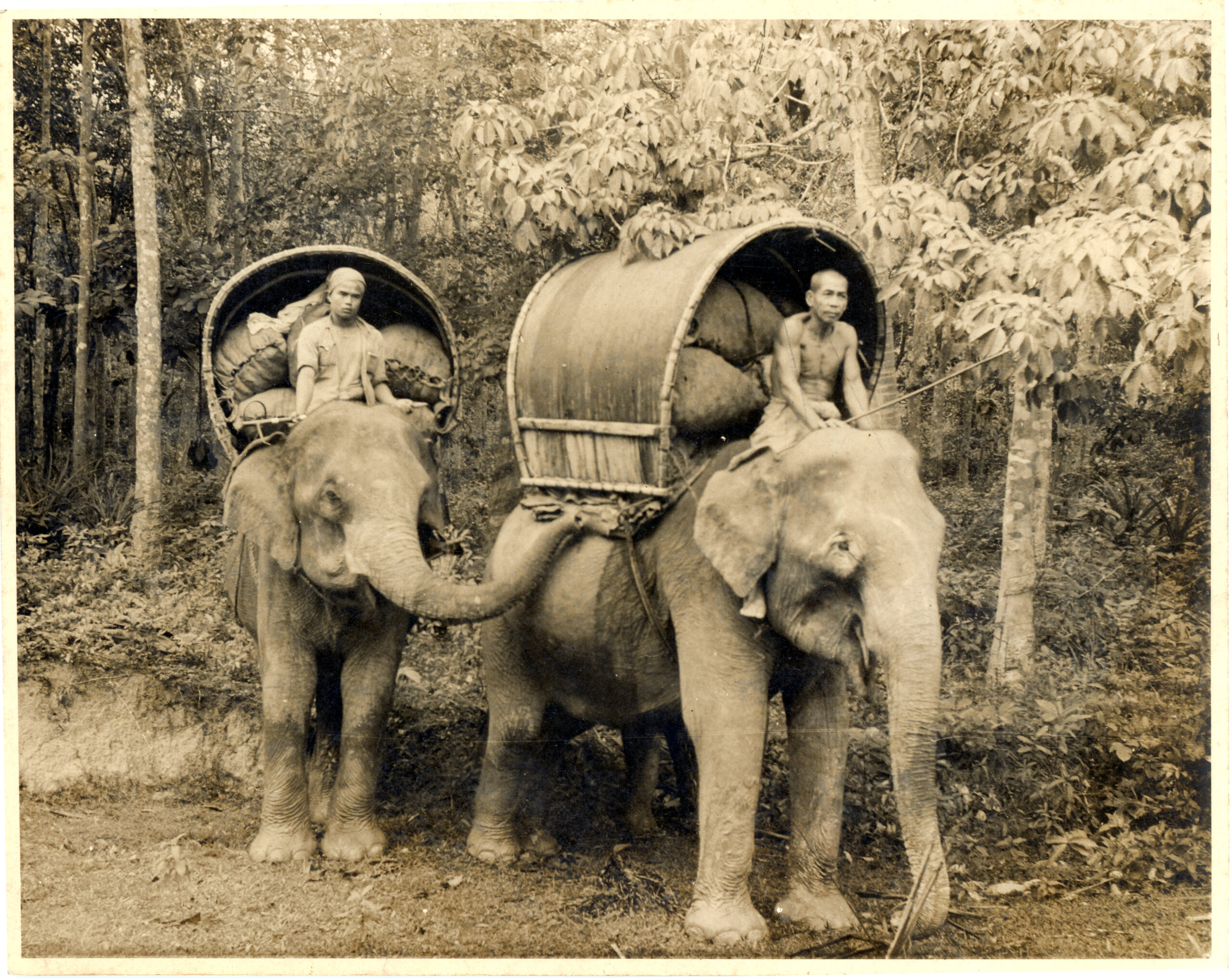
In the 1940s, Shui Tit Sing photographed the elephant carriages in Malaya
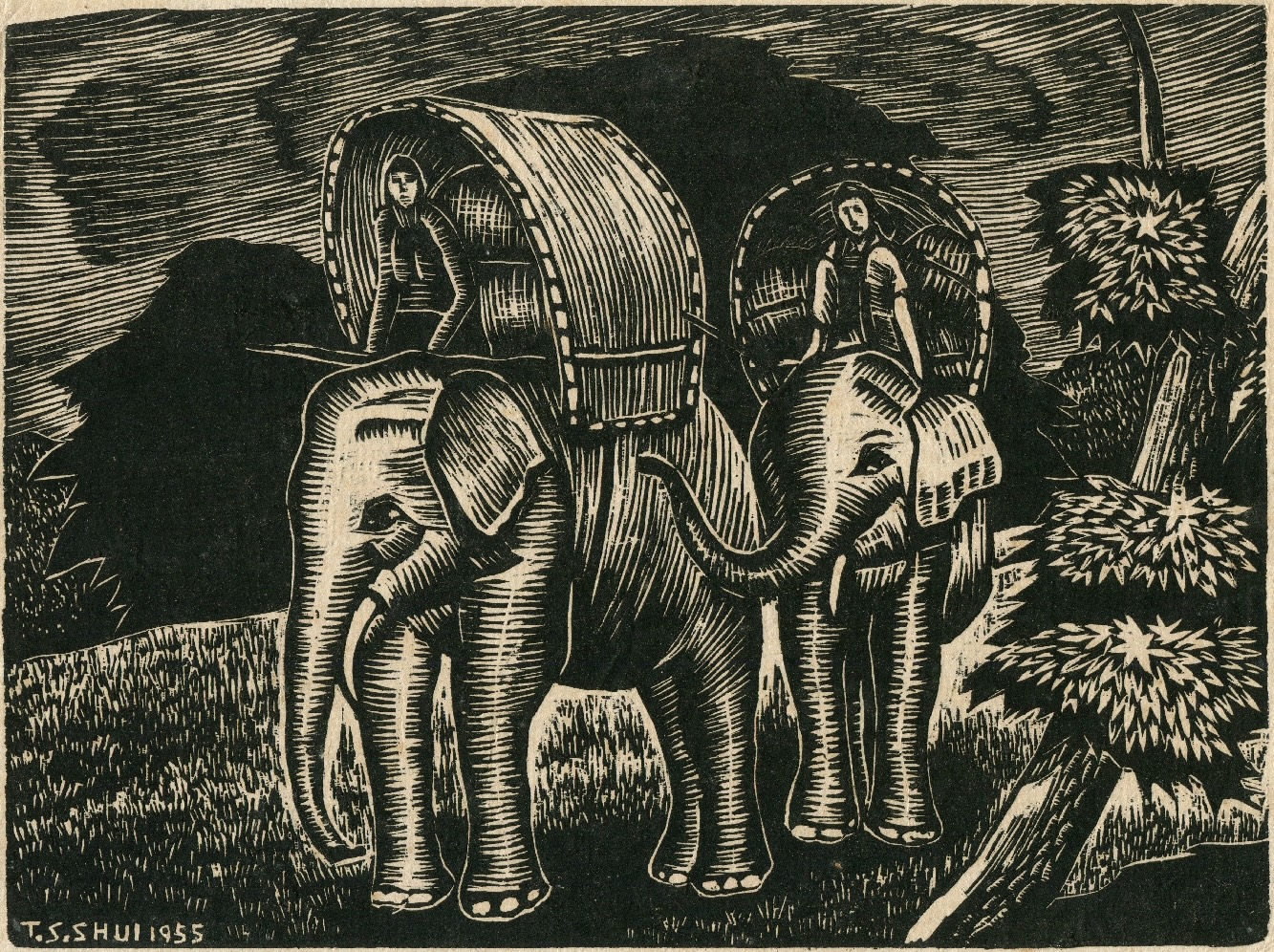
Elephant Carriages,1955,,Woodcut Print, 15.3 x 20.7 cm
From Lens to Form: How Photography Shaped Painting and Sculpture
This final section returns to a central question in Shui Tit Sing’s artistic practice: how did photography become a starting point for painting and sculpture?
For Shui, photography was not only a tool for recording travel and reality. It was also a way of studying form, structure, space and movement. Temple carvings, human bodies, objects, architectural masses, shadows and spatial layers were repeatedly captured and refined through his camera. The sense of composition, rhythm and form found in these photographs later gained new life in his paintings and sculptures. Photography offered him fragments of reality, while painting and sculpture transformed those fragments into colour, volume and artistic expression.
In this sense, Shui Tit Sing’s photography was never a side practice. It was a vital thread running through his artistic journey. The camera allowed him to see the world, and also helped him turn the world into art.
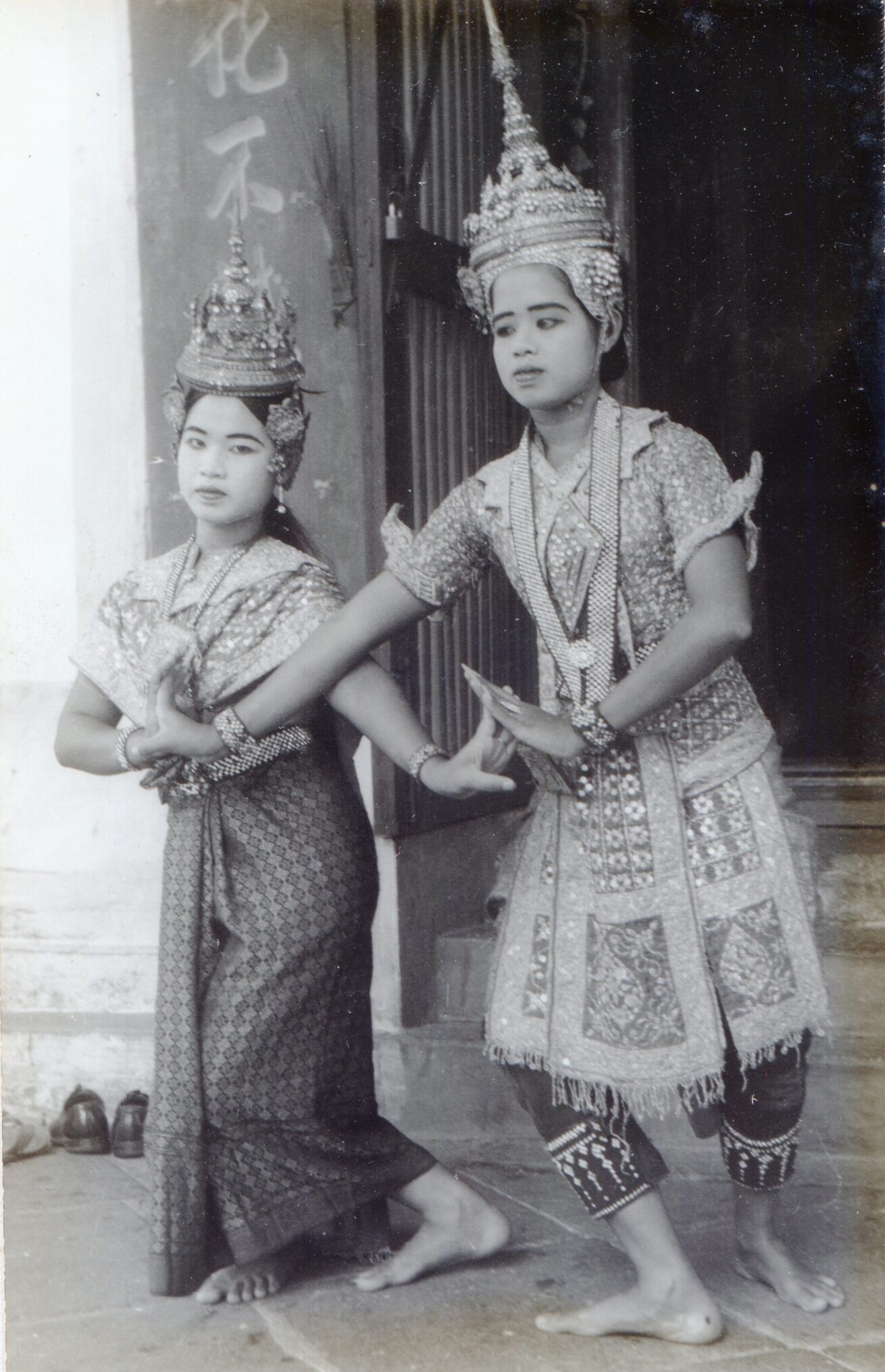
In 1963, Shui Tit Sing photographed Thai dancers in Thailand
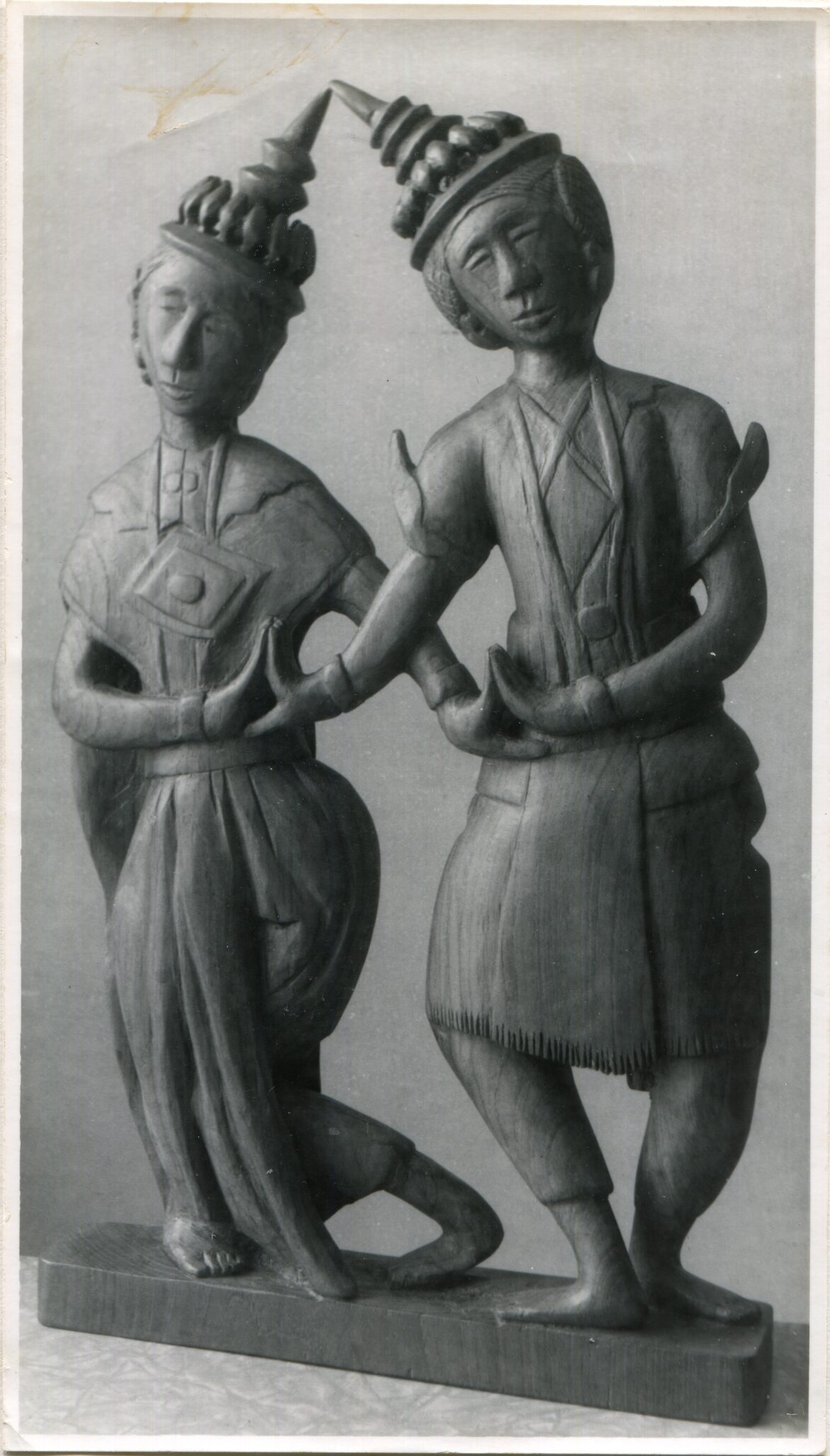
Photo of Shui Tit Sing’ s Thai dancer sculptures
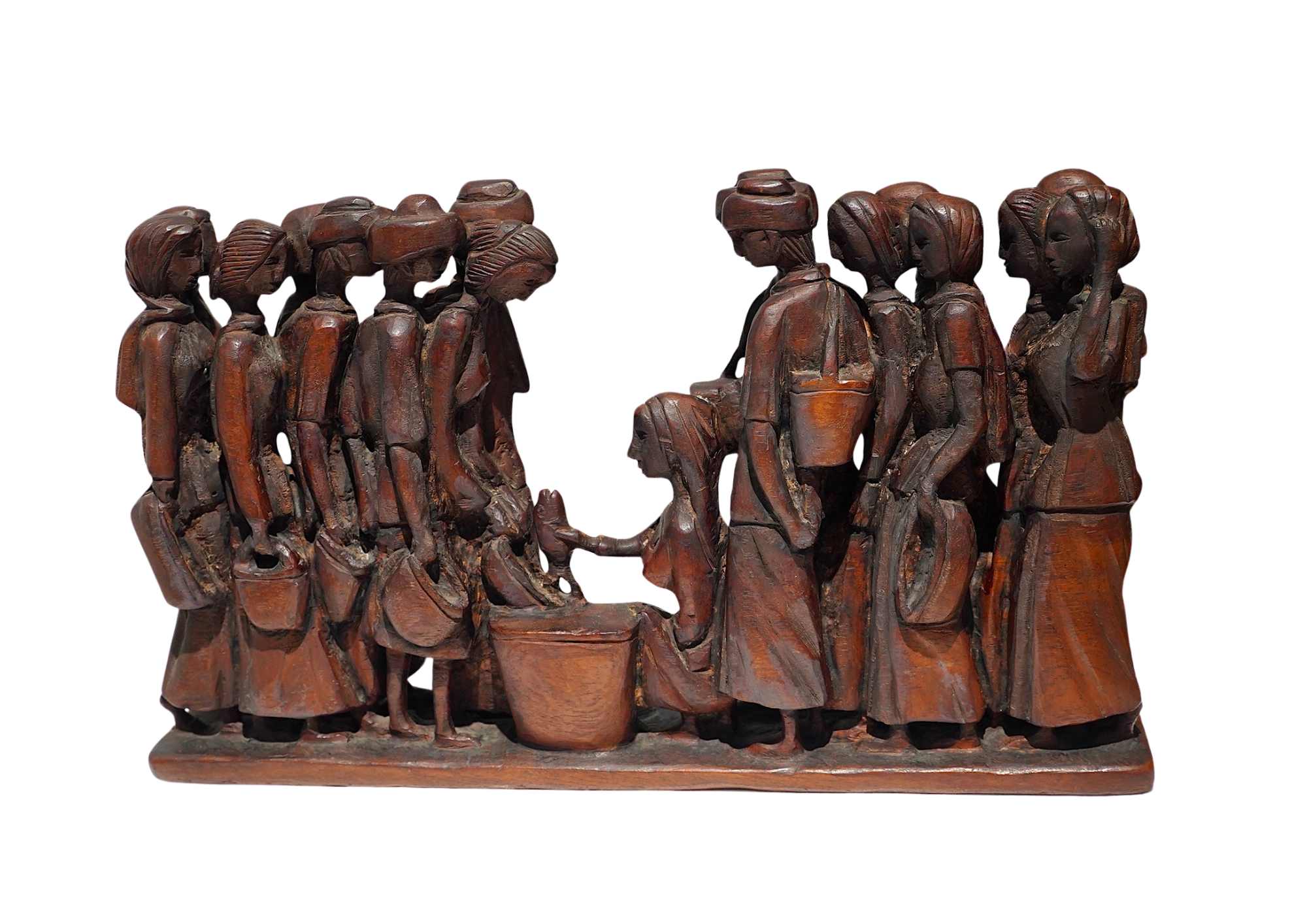
Buying Fresh Fish
33 x 57 x 10.5 cm
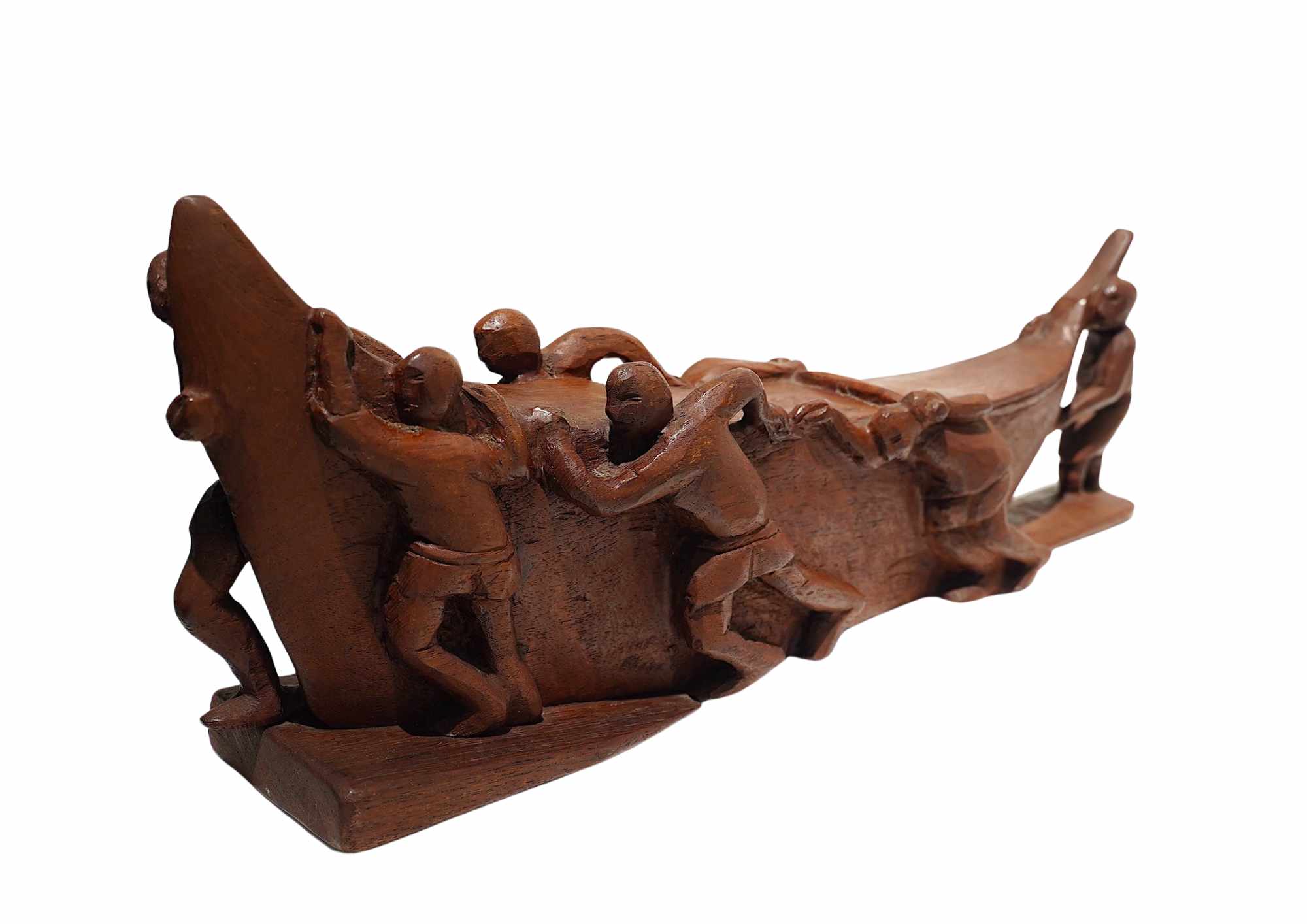
Fisherman Pushing Boat
27 x 63 x 13 cm
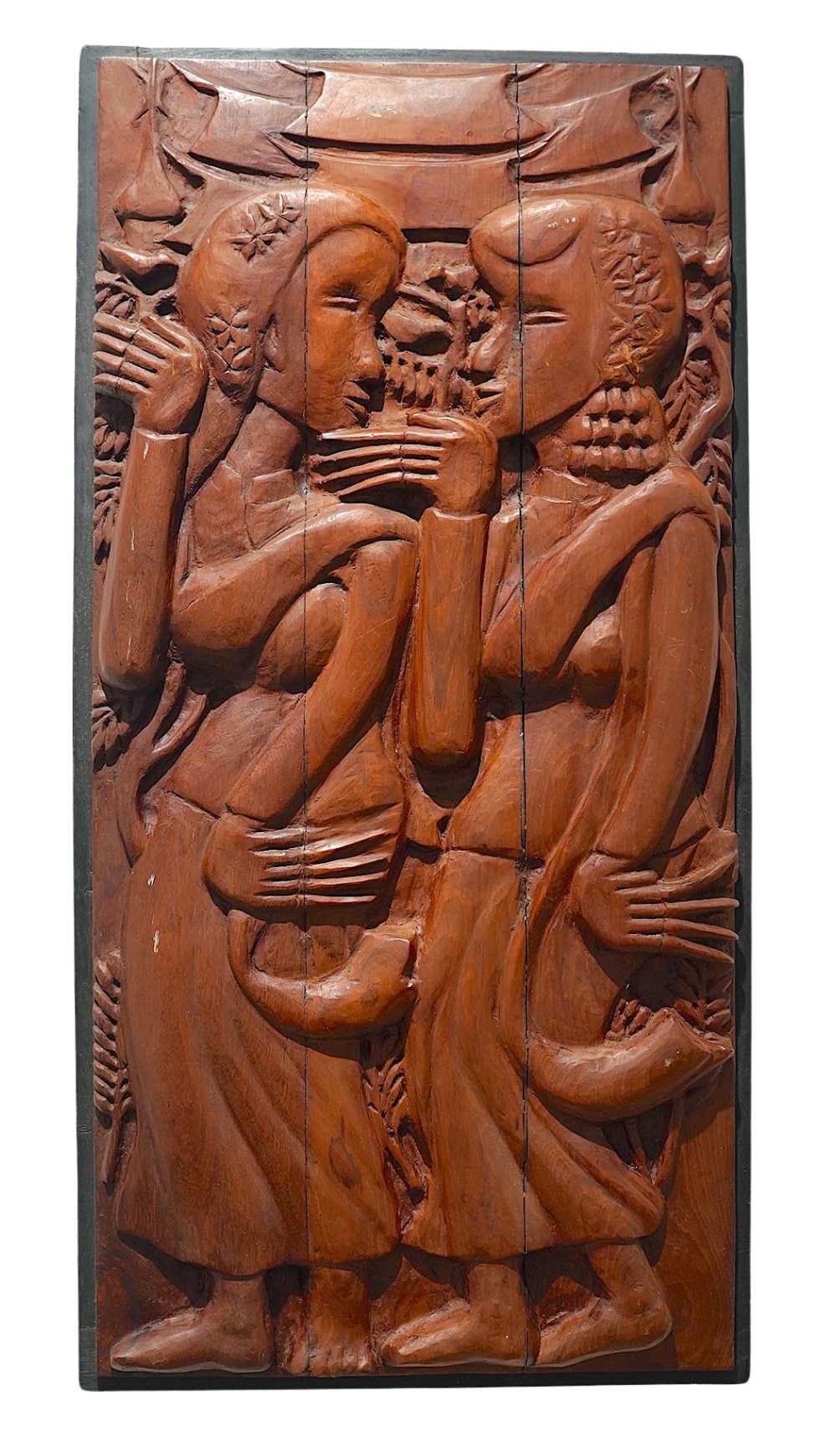
Finger Dance
101 x 49 x 6 cm
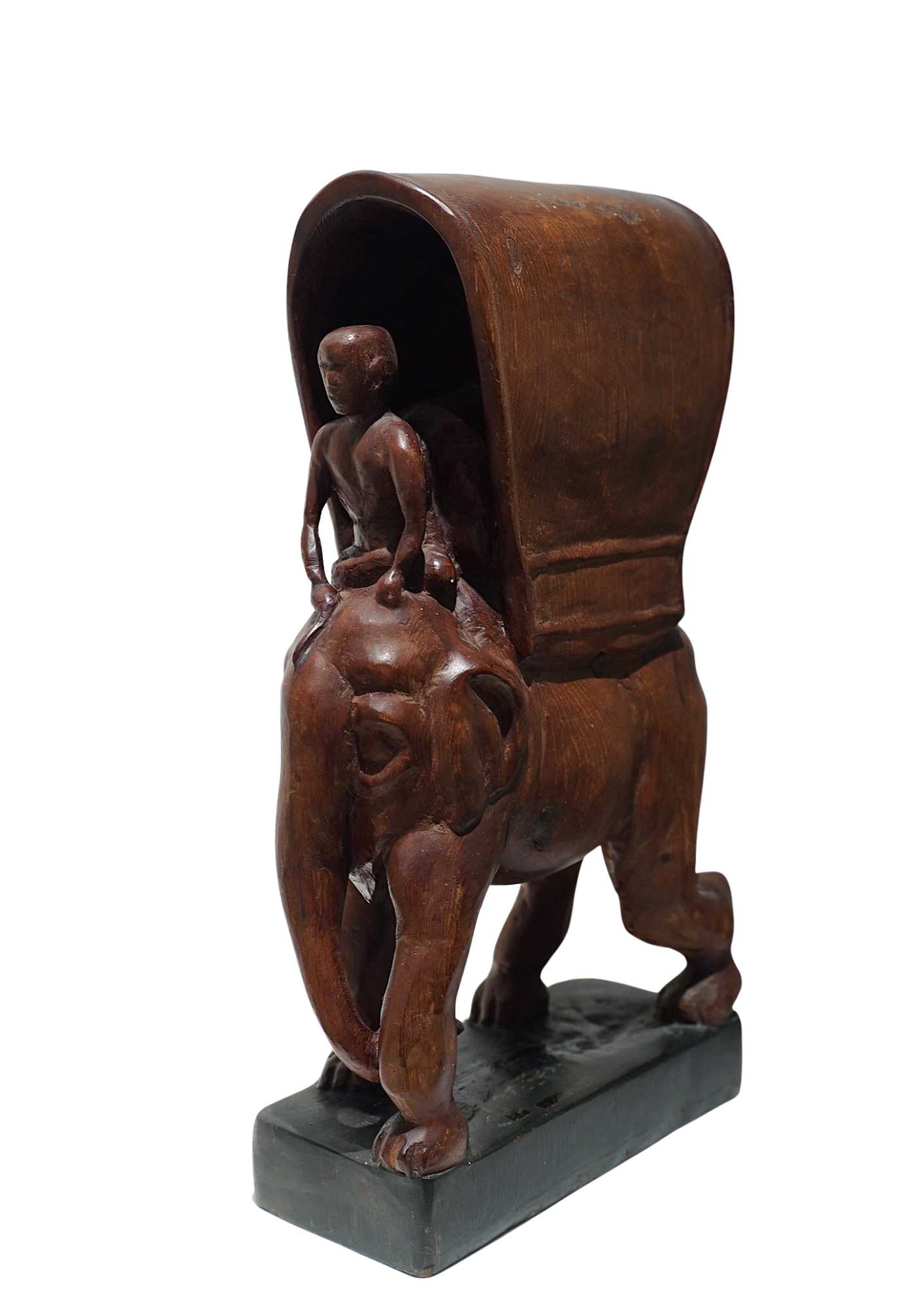
Elephant’s Carriage
45 x 25 x 11 cm