Past
Nest & Neighbours: Solitude and Coexistence in High-Density Cities
Solo Exhibition
Ceet Fouad
04 April – 03 May 2026
Tue – Sun: 11am – 7pm
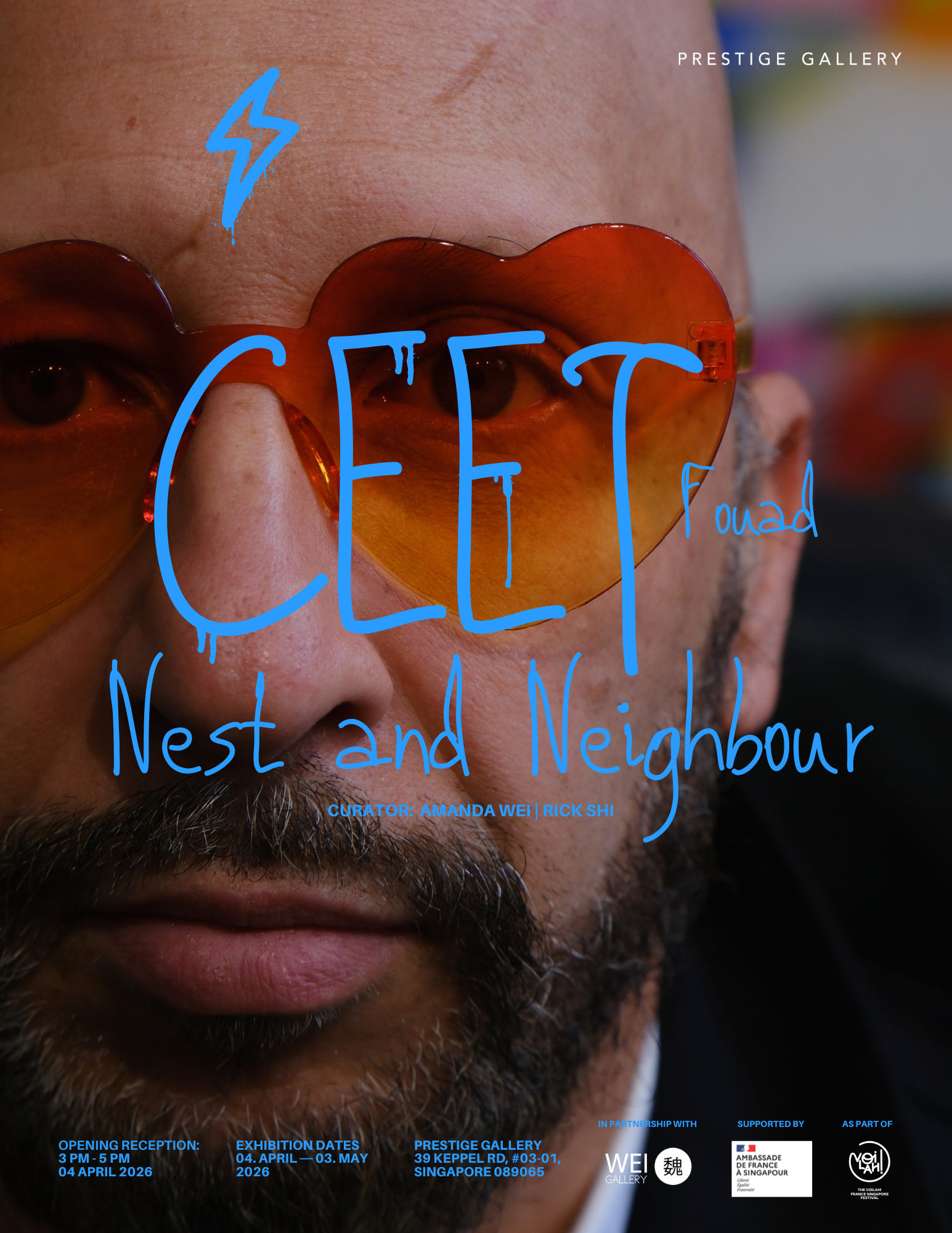
Exhibition Details:
Nest & Neighbours: Solitude and Coexistence in High-Density Cities
Solo Exhibition by Ceet Fouad
Curator: Rick Shi/Amanda Wei
Curatorial Team: Audrey Zhang, Yan Li, Kenneth Liu, Freya Zhang, Grace Shen
Presented by
Prestige Gallery x Wei Gallery
Supported by
Embassy of France in Singapore
Official Programme
French Excellence Singapore Festival
Exhibition Press Release | Download here
Opening Reception
Saturday, 04 April 2026
15:00 – 19:00
Prestige Gallery (39 Keppel Rd #03-01, Tanjong Pagar Distripark, Singapore 089065)
Mr. Francois Lusteau, Cultural Counsellor of the French Consulate in Singapore, will attend the exhibition opening as the guest of honor.
RSVP | Please click here
At a time when cities across the globe continue to expand vertically, high density is no longer merely a spatial condition. It has become a force that profoundly shapes psychological structures and social relations. The exhibition “Nest and Neighbours“, presented by Ceet Fouad, unfolds within this context as a form of visual inquiry. As a key figure in contemporary French graffiti art, CEET presents his first solo exhibition in Singapore, transforming his long-term observations of Asian cities into a body of contemporary visual allegories with broader resonance.
Through his iconic “chicano chickens” figures, CEET constructs a visual system that is at once playful and complex. The seemingly repetitive forms generate a network of relations that oscillates between intimacy and detachment. These figures are at once “neighbours” and “strangers” — sharing space while maintaining subtle psychological distance. Beneath their humour and vibrant palette lies a sustained reflection on individual existence and collective structure.
Artists have been wandering between Asian cities for a long time, from the vertical compression of Hong Kong to the orderly residential aesthetics presented by Singapore’s HDB flats. These specific experiences have been translated into a highly symbolic visual language. In CEET’s work, architecture is no longer a backdrop but a structural metaphor. It organises collectivity while producing boundaries; it provides shelter while shaping the terms of connection.
This exhibition does not try to make direct criticism, but guides the audience into a more complex level of perception through a gentle but continuous visual tension. In the highly organised and superimposed urban structure, we gradually adapt to the approach of each other, but we may also lose the real connection invisibly.
When we are placed in the same structure, can we still truly reach one another?
Artist
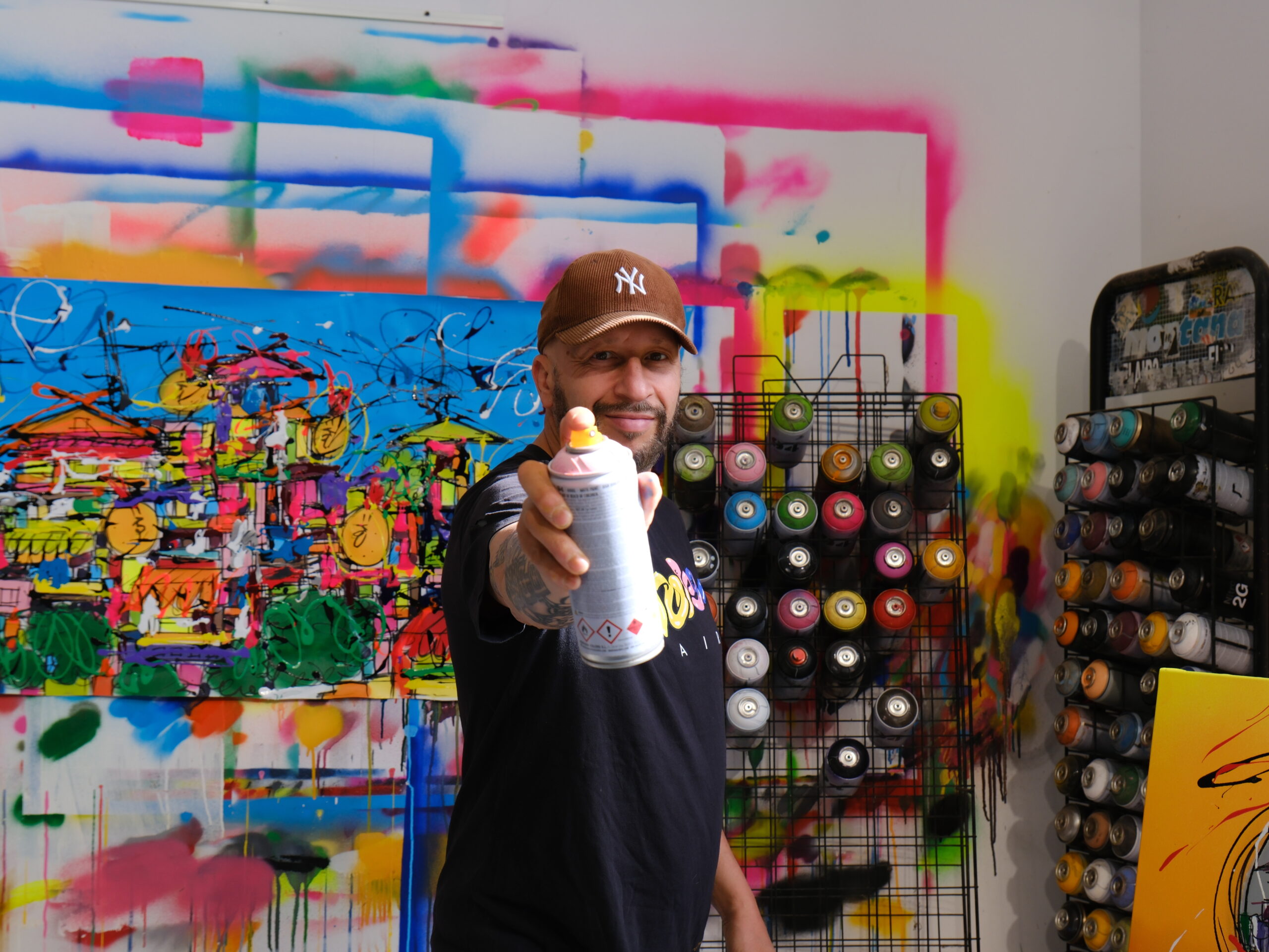
Ceet Fouad
1971 born in Oran, Algeria
Moroccan French-Hong Kong Artist
Currently lives and works in Shenzhen, China, Hong Kong, and France
Ceet Fouad born in 1971 in Oran, Algeria. He spent his early childhood in Toulouse, France, where he began developing the imaginative visual language that would later define his practice. It was during this formative period that his now-iconic “chicken” motif first emerged—playful in appearance yet conceptually layered.
Ceet’s signature characters, often referred to as “Chicanos,” are small, vibrant, and expressive figures rendered in joyful, harmonious colours. Beneath their seemingly lighthearted surface lies a pointed reflection on contemporary society. Through these figures, Ceet explores themes of conformity, individuality, and the subtle pressures of modern life—suggesting a world in which people are increasingly shaped into “followers,” hesitant to stand apart or embrace their uniqueness.
At the same time, these characters function as personal avatars. Ceet uses them to convey his own experiences and observations, offering an ironic commentary on a social landscape where individuals often move with the tide, gradually losing distinctidentity. Since 2003, his practice has evolved into a visual language of communication—one that reflects his lived experience within densely populated urban environments, where he describes feeling “like one of the chickens in the crowd.”
In contemporary high-density cities, coexistence is no longer something that emerges organically. It is a condition shaped by spatial structures, institutional frameworks, and systems of organisation. This condition can be understood as organised coexistence. Within this framework, “nest”, “neighbour”, and “density” are not separate ideas. They operate as three interrelated dimensions of the same system:
The Nest: Constructed Spatial Unit
The “nest” is no longer simply a place of dwelling. It is the basic unit through which the city locates and distributes individuals by means of architecture and planning. Living spaces are standardised and modularised, placing individuals within a system that is manageable and reproducible. However, beneath this high level of order lies uncertainty. Individuals are accommodated, but not necessarily settled.
The Neighbour: Structured Social Relation
The “neighbour” once implied a naturally formed social connection. In contemporary cities, however, it has increasingly become a relationship that is planned and configured. Within highly dense residential systems, individuals live in close proximity yet often lack meaningful interaction. Beneath similar external structures lie differences and divisions. Coexistence becomes routine, while understanding grows scarce. Moments of genuine connection are often limited to close friendships. In certain social contexts, such as Singapore’s housing policies, neighbourly relations are partially shaped by institutional arrangements. In this sense, “diverse coexistence” is not only a social reality, but also a designed outcome.
Density: Intensified Coexistence
Density is not only the accumulation of space, but also the compression of relationships. Within high-density environments, the “nest” forms the physical basis of survival, while the “neighbour” defines the social condition of cohabitation. Together, they produce a state that appears stable, yet is charged with tension. Individuals depend on one another, yet remain distant. Density amplifies both the possibility of coexistence and the presence of loneliness.
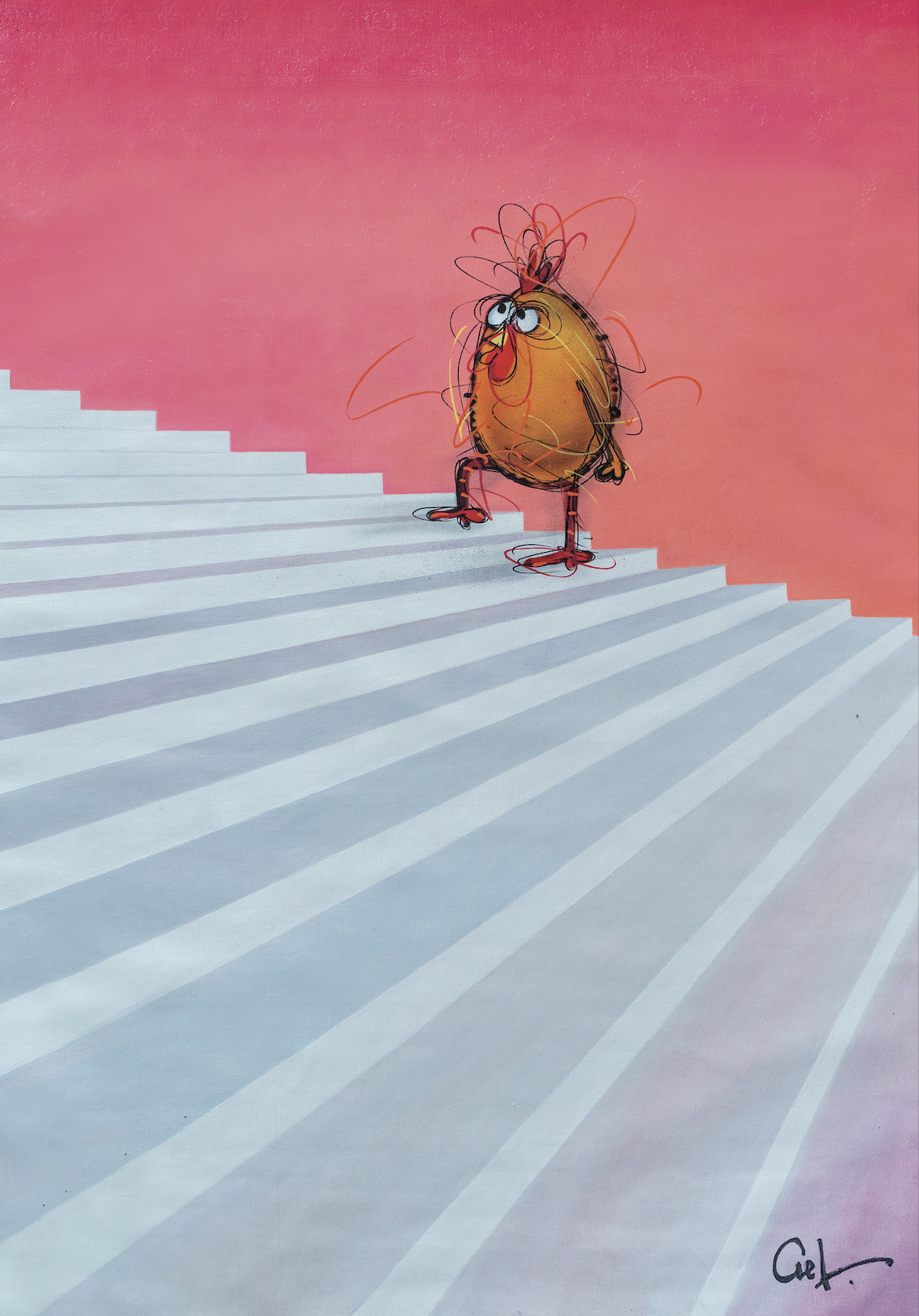
Walk Alone
100 x 70 cm

OSLAS
60 x 80 cm
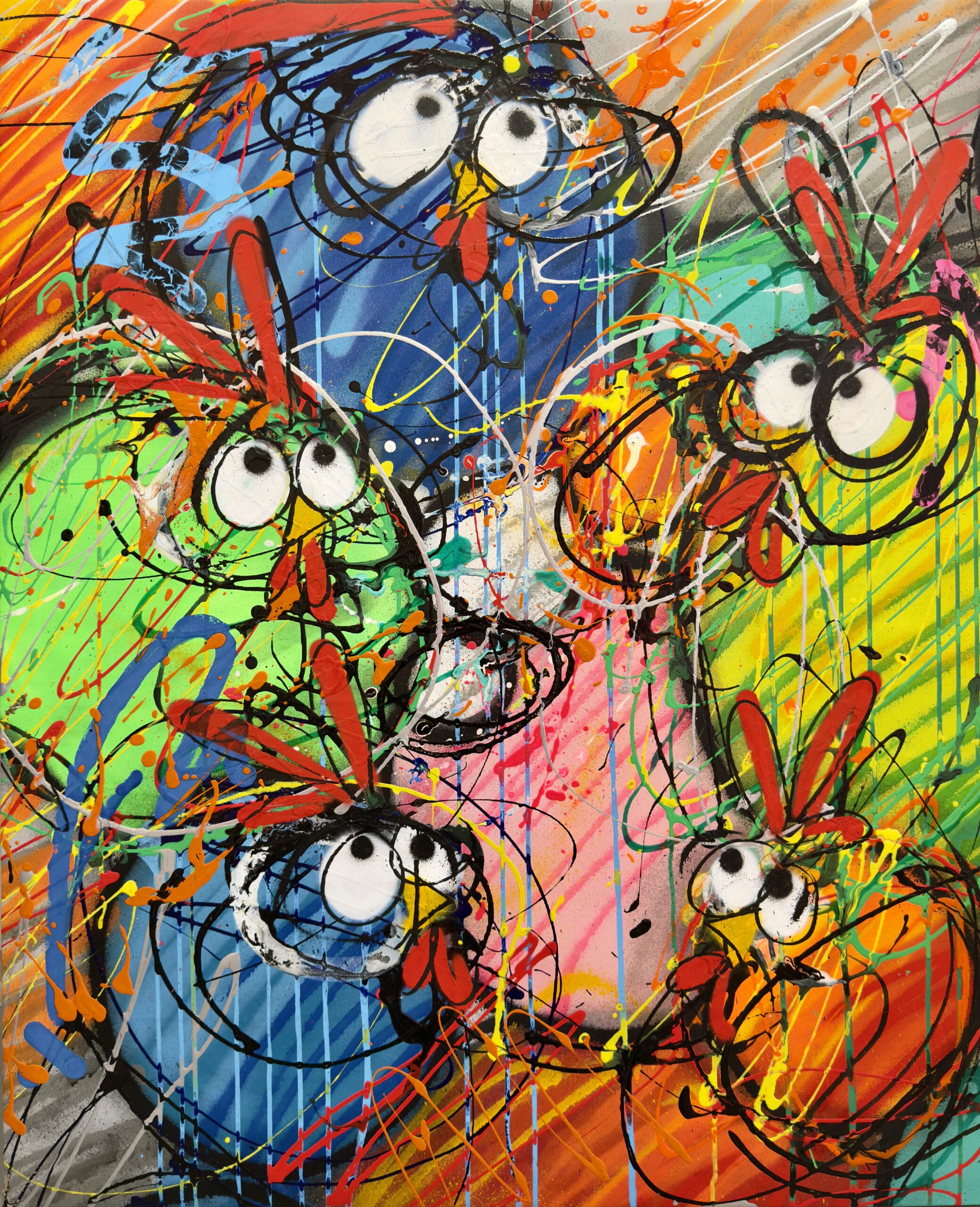
EXP
100 x 81 cm
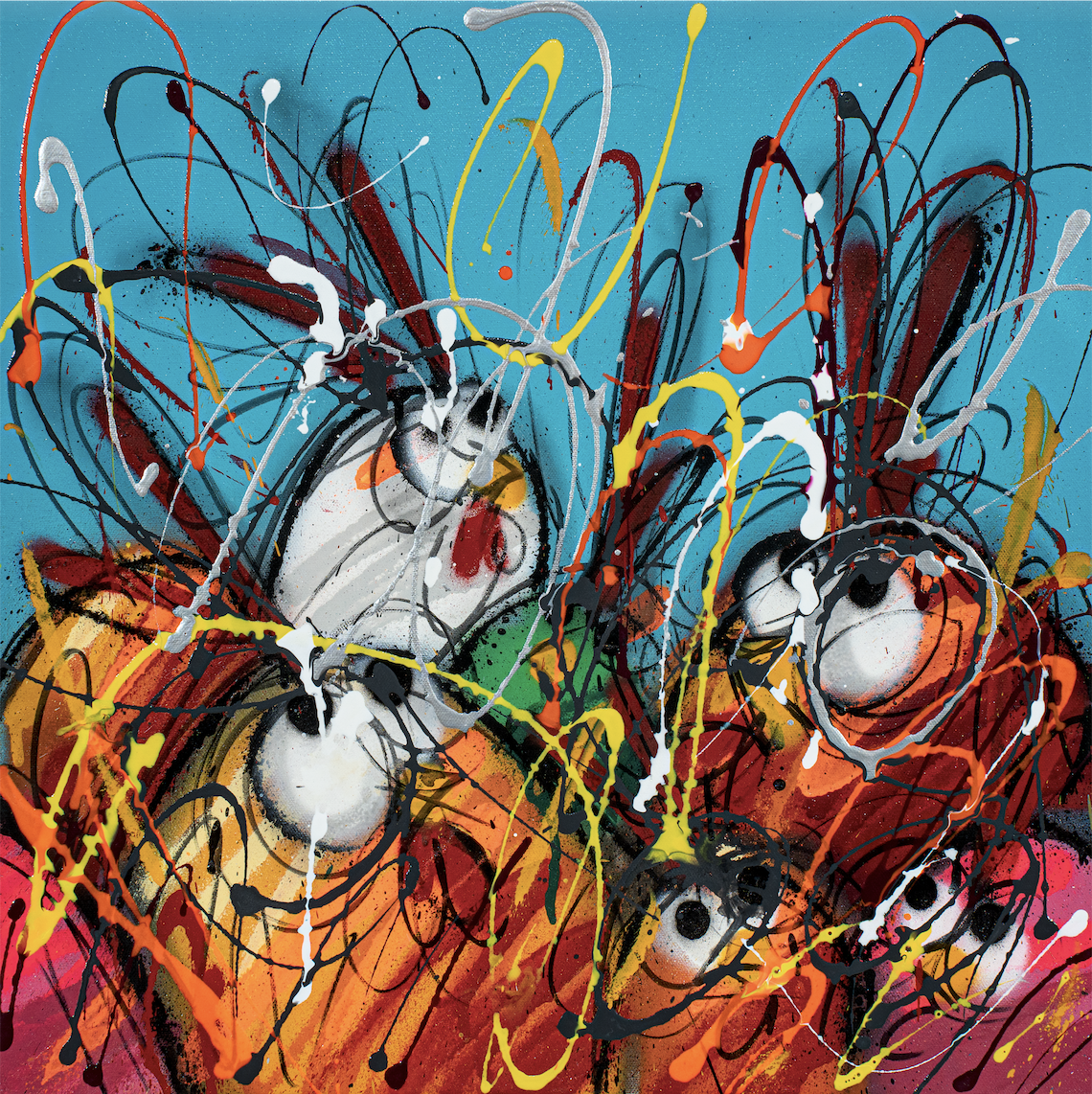
Blue Sky
150 x 180 cm
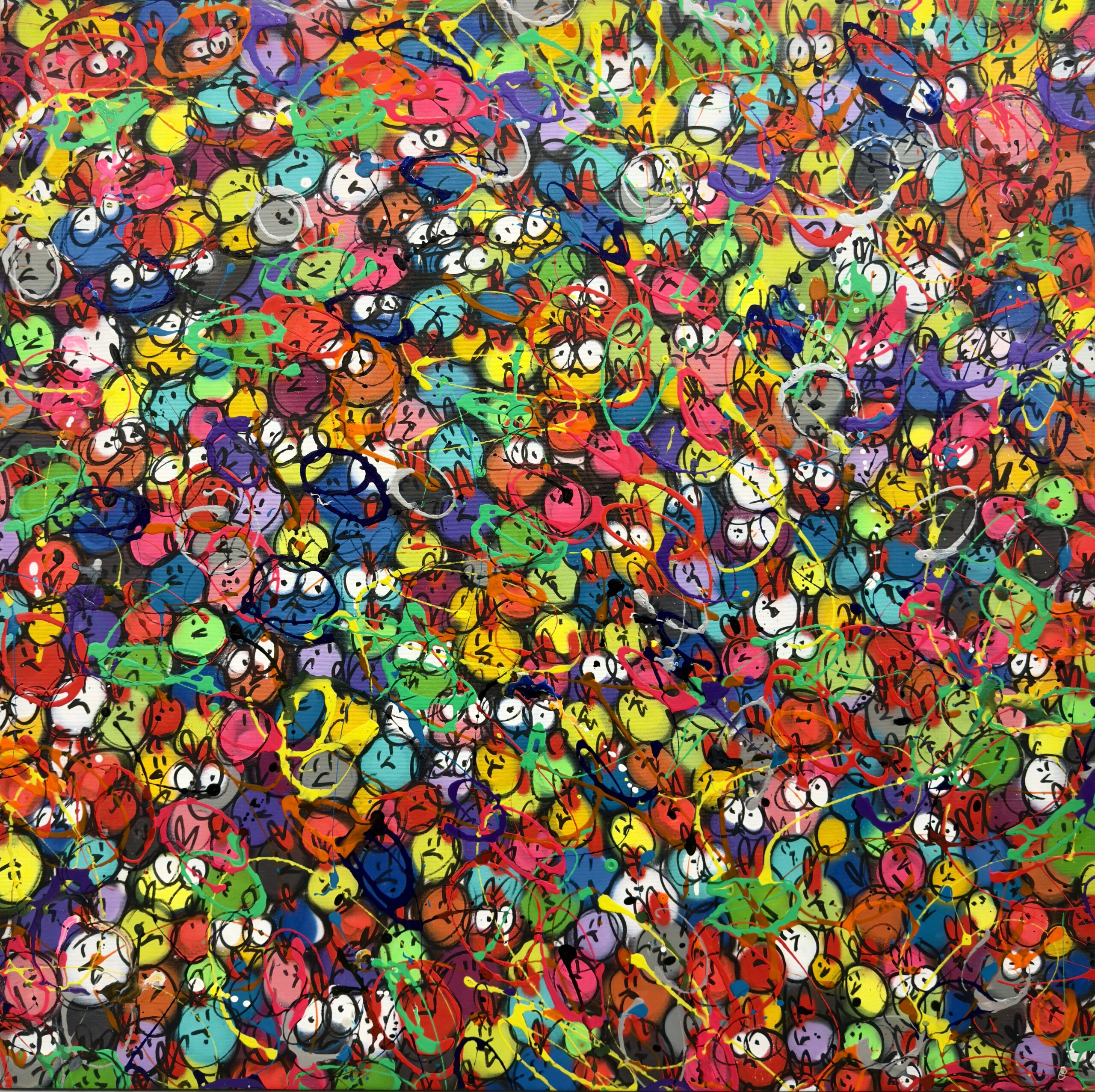
Causeway Bay
100 x 100 cm
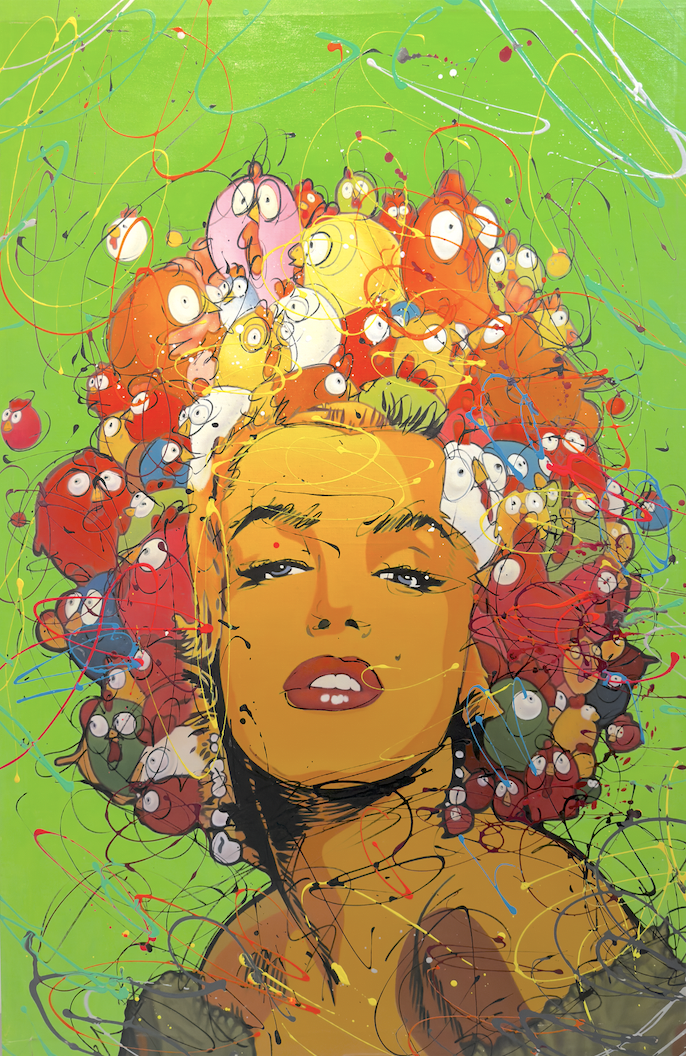
Marie Linos
150 x 100 cm

M Chikanos (white)
16 x 12 x 22 cm